Bathroom compliance is one of the more overlooked areas of London landlord obligations, partly because it sits at the intersection of several different pieces of legislation rather than one dedicated bathroom regulation. This guide sets out what landlords are actually required to provide and maintain, where HMO rules add further requirements, and what genuinely counts as best practice rather than a legal minimum.
If you're planning bathroom work on a rental property, a free video consultation with a vetted professional can help you scope compliant work and get a realistic price before committing.
The Core Legal Framework
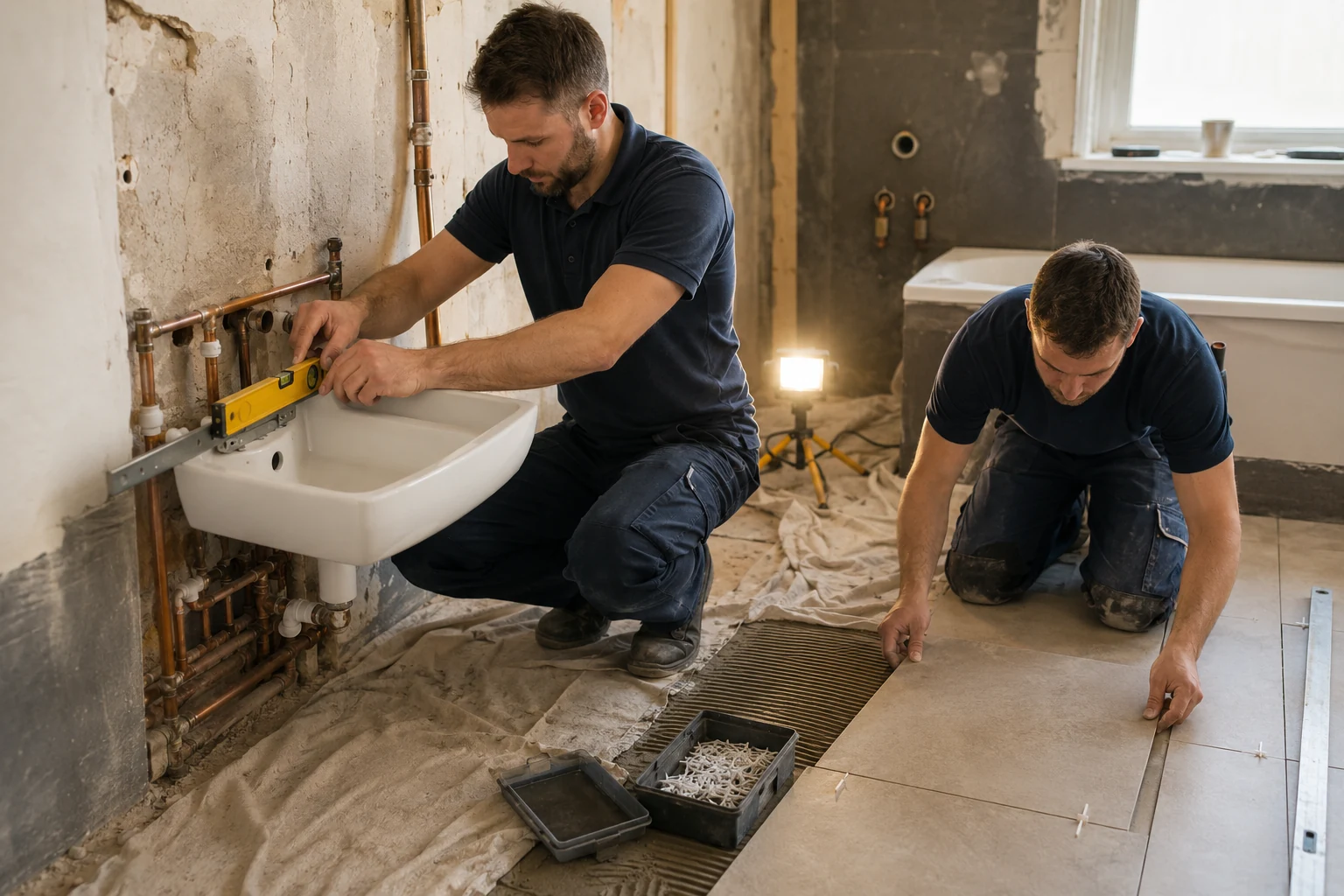
Section 11 of the Landlord and Tenant Act 1985 is the foundational repairing obligation for most residential tenancies. It requires landlords to keep the structure and exterior of the property in repair, and — directly relevant to bathrooms — to keep installations for the supply of water, gas, and electricity, and for sanitation (including basins, sinks, baths, and sanitary conveniences), in proper working order. This is the baseline obligation that covers fixing a leaking pipe, a broken toilet, or a failed shower valve.
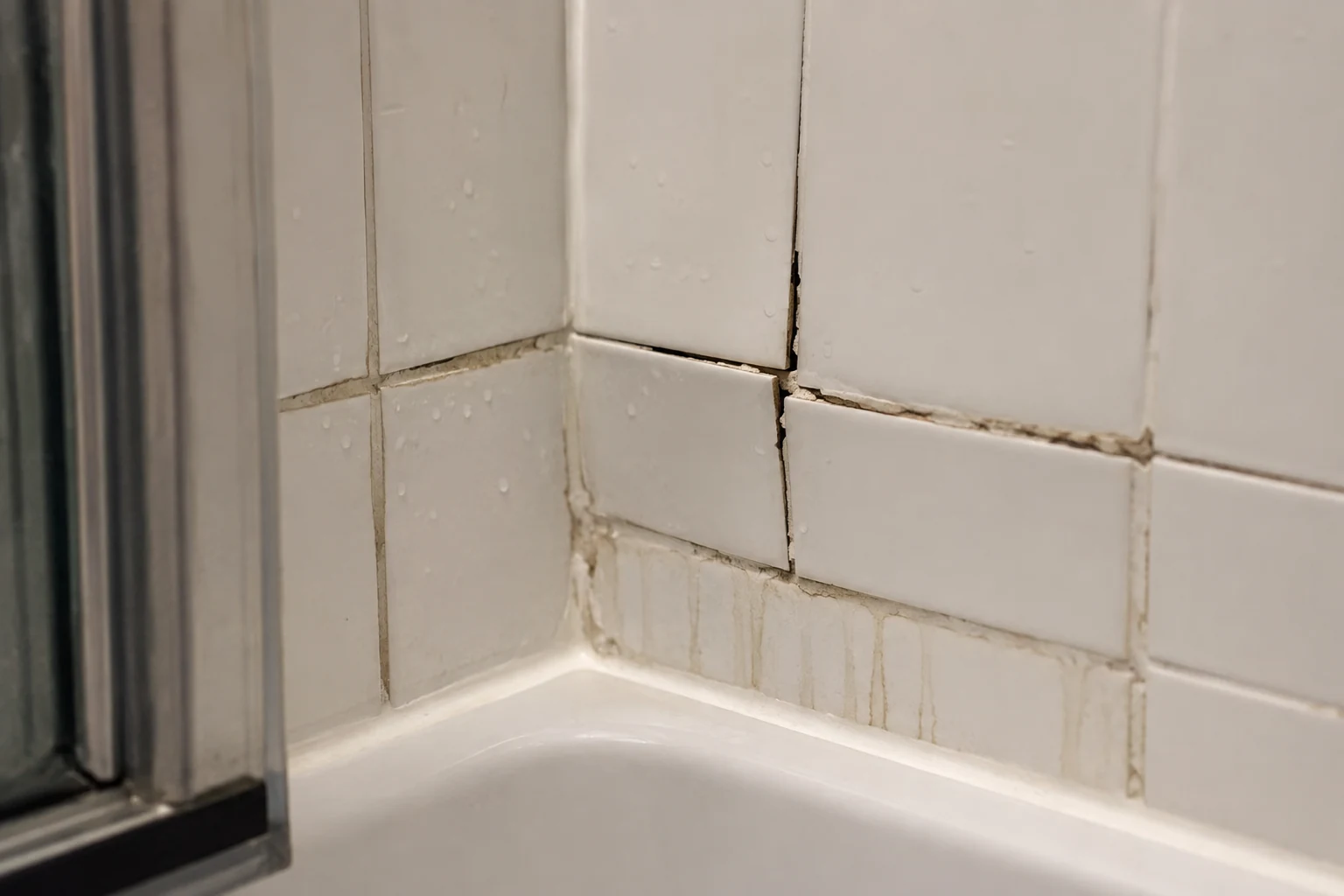
The Homes (Fitness for Human Habitation) Act 2018 goes further, requiring rental properties to be fit for human habitation throughout the tenancy, not just at the start. A bathroom with serious disrepair, inadequate ventilation leading to persistent damp and mould, or unsafe electrics could contribute to a property falling short of this standard, giving tenants a route to take action if a landlord doesn't address it.
Building Regulations compliance applies specifically to the technical standard of any work carried out, rather than being an ongoing landlord obligation in itself. Any electrical work in a bathroom must comply with Part P's zoning rules and be carried out or certified by a registered electrician — this matters particularly when a landlord replaces bathroom lighting, adds an extractor fan, or fits underfloor heating. Sanitation and hot water work, including any new unvented hot water system, must comply with Part G and be properly notified to building control where required.
HMO-Specific Bathroom Requirements
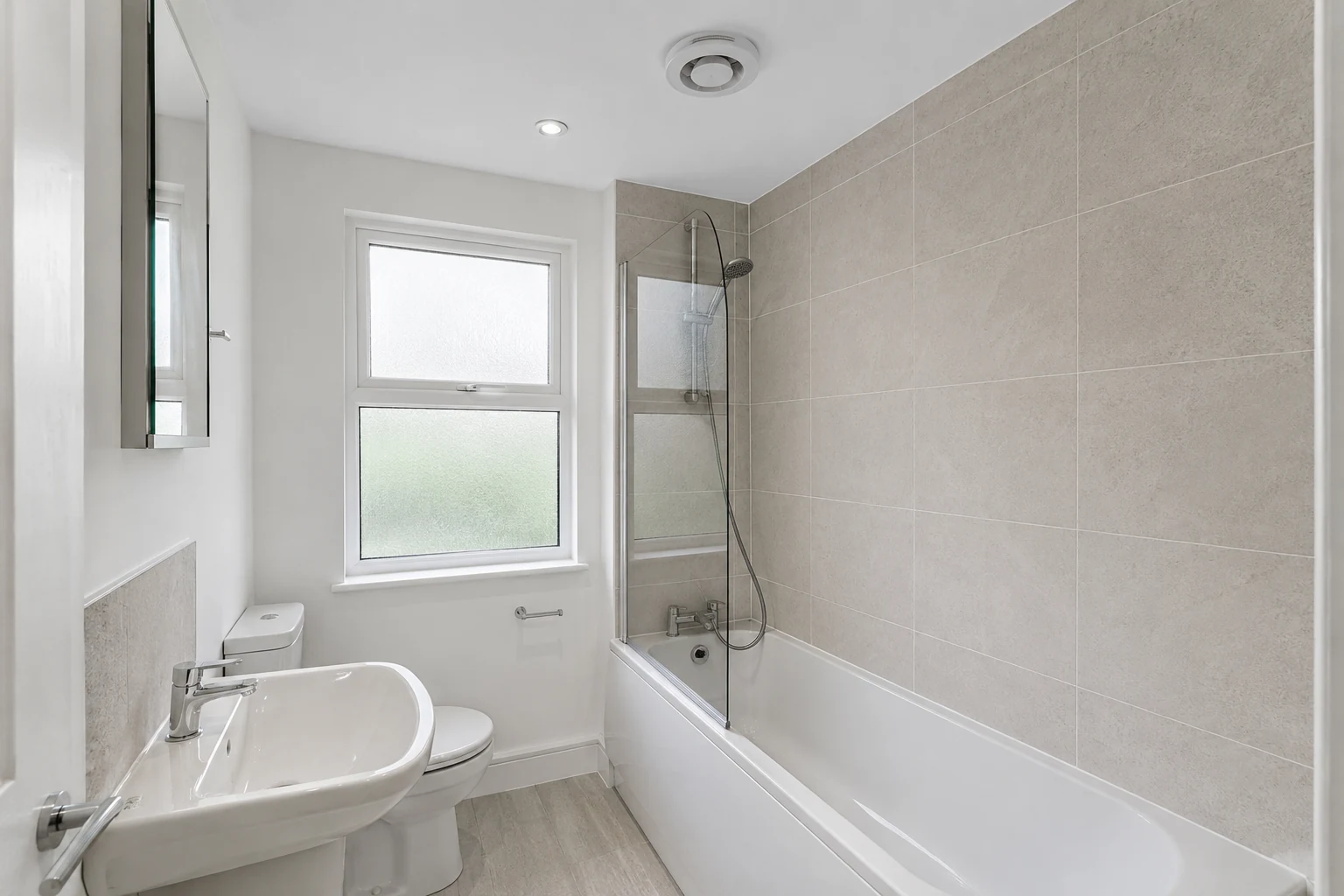
Houses in Multiple Occupation carry additional requirements beyond standard single-let tenancies. The Management of Houses in Multiple Occupation (England) Regulations 2006, alongside local HMO licensing conditions, typically set out minimum ratios of bathrooms and WCs relative to the number of occupants, since shared facilities need to be genuinely adequate for higher occupancy levels than a family home would require.
These specific ratios and conditions vary by London borough rather than following a single universal standard, so HMO landlords should check their specific licence conditions rather than assuming a blanket rule applies. This is particularly relevant when converting a property into an HMO or increasing occupancy, since the bathroom provision that was adequate for the previous use may not meet the new licensing requirements.
A free video consultation with a vetted professional can help you scope compliant work and get a realistic cost estimate.
Response Times and Reasonable Repair Timeframes
UK legislation doesn't set a single universal deadline for every type of bathroom repair — the standard is generally that repairs must be carried out within a "reasonable" timeframe once the landlord has been notified, with what's reasonable depending on the severity of the issue. A property with no working toilet or shower is a significant habitability issue and warrants urgent action; a dripping tap or slightly worn sealant is less urgent but still needs addressing within a sensible period.
Many tenancy agreements specify response time expectations for different categories of repair, and some borough HMO licensing conditions set explicit timeframes for essential repairs. Landlords should check both their tenancy agreement wording and any applicable licence conditions rather than relying purely on general "reasonable timeframe" guidance, since specific contractual or licensing commitments can be more demanding than the general legal minimum.
Browse vetted plumbers and electricians with verified credentials and real ratings, and book a free video consultation directly from the app — 15% off your first request.
Practical Compliance Checklist for Landlords
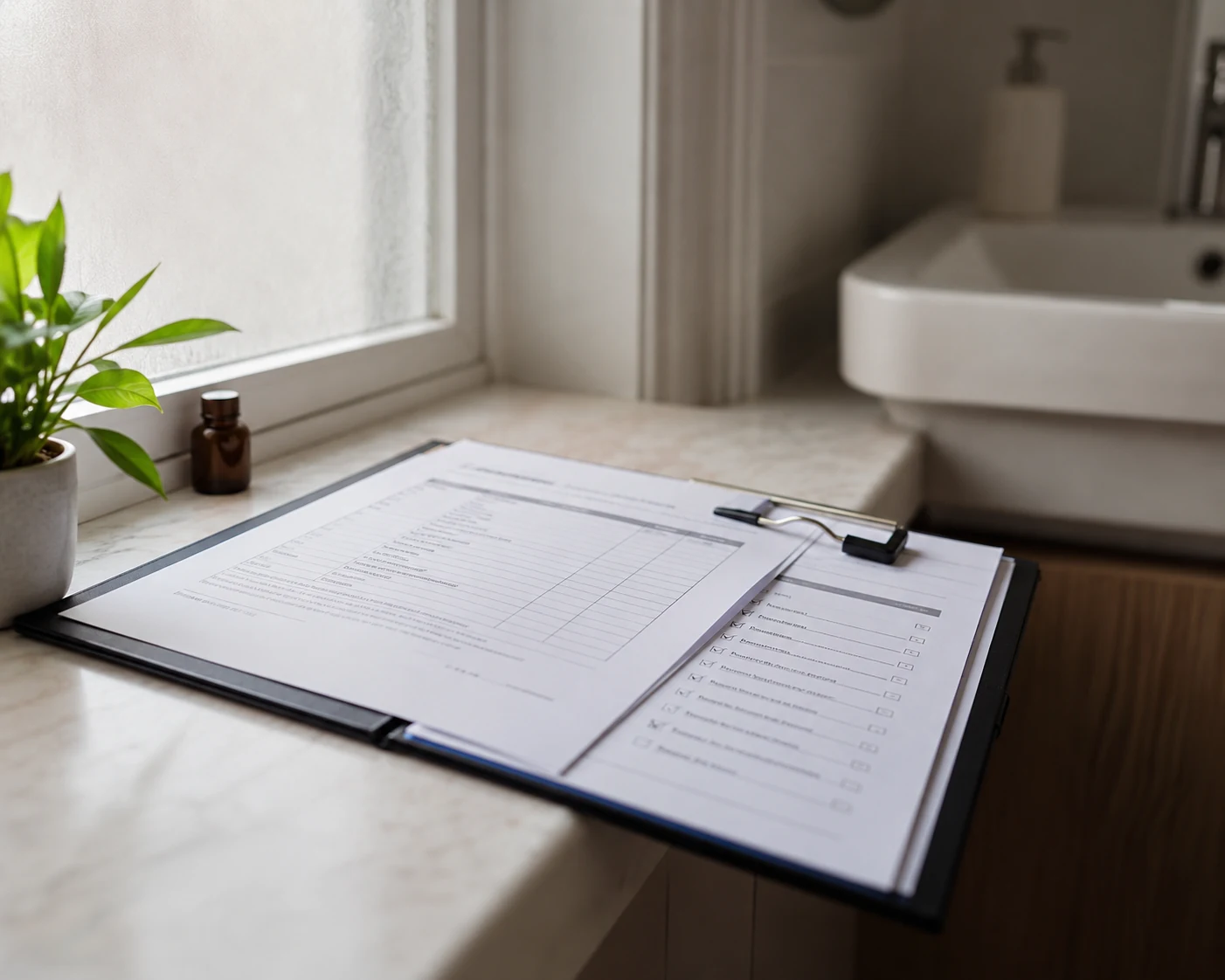
Beyond the legal minimum, a proactive approach reduces both compliance risk and tenant disputes. Worth reviewing regularly: adequate ventilation (extractor fan or equivalent, particularly relevant to preventing damp and mould disputes), bathroom electrics that meet current Part P zoning standards (particularly in older properties where original installation may predate current rules), sound waterproofing with no signs of leaks into neighbouring flats or the storey below, and secure, functioning sanitary fixtures without ongoing repair needs.
For HMO landlords specifically, keep documentation of bathroom-to-occupant ratios against current licence conditions, particularly if occupancy has changed since the property was first licensed. For any landlord, keeping records of bathroom repairs, inspections, and any Part P or Part G compliant work carried out provides useful evidence of due diligence if a dispute or inspection arises.
Frequently Asked Questions
What are a London landlord's minimum legal obligations for a rental bathroom?
Under Section 11 of the Landlord and Tenant Act 1985, landlords must keep the structure and exterior in repair, and keep installations for water supply, sanitation, and heating in proper working order — this directly covers bathroom pipework, sanitary fittings, and hot water. The property must also meet the Homes (Fitness for Human Habitation) Act 2018 standard, and any electrical work in the bathroom must comply with Building Regulations Part P.
How quickly must a landlord fix a broken toilet or shower in a rental property?
There's no single fixed statutory deadline, but landlords must act within a reasonable timeframe once notified, and a property with no working toilet or shower is likely to fall short of fitness for human habitation standards if left unresolved. Tenancy agreements sometimes specify response times, and HMO licence conditions in some boroughs set out expected timeframes for essential repairs, so landlords should check both their tenancy agreement and any applicable licence conditions.
Do HMO bathrooms have different requirements to single-let bathrooms?
Yes — the Management of Houses in Multiple Occupation (England) Regulations 2006 and local HMO licensing conditions typically set minimum ratios of bathrooms and WCs to the number of occupants, since shared facilities need to be adequate for higher occupancy. These ratios and specific conditions vary by borough, so landlords of HMOs should check their specific licence conditions rather than assuming a single London-wide standard applies.
Can a landlord install a shower instead of a bath to save costs?
Generally yes, provided the property still meets fitness for human habitation standards and any specific HMO licence conditions that might specify facility types. There's no general legal requirement for a bath specifically, as long as adequate washing facilities are provided. This is a common and legitimate choice for landlords managing renovation costs, particularly in smaller properties.
What happens if a landlord doesn't fix bathroom electrical issues that breach Part P?
Non-compliant electrical work in a bathroom is a genuine safety risk given the proximity to water, and local authorities can take enforcement action under housing safety legislation if a property falls short of required standards. Beyond the compliance risk, landlords also carry practical liability if a tenant is harmed by faulty electrics that weren't properly addressed. Any electrical work identified as non-compliant should be corrected by a registered Part P electrician promptly.
What: The legal minimum standards London landlords must meet for rental-property bathrooms — repairing obligations, fitness-for-habitation duties, and HMO-specific requirements.
Key legislation: Section 11 of the Landlord and Tenant Act 1985 requires landlords to maintain sanitation, water supply and heating installations. The Homes (Fitness for Human Habitation) Act 2018 sets a baseline habitability standard covering the bathroom. Electrical work must comply with Part P; sanitation and hot water work with Part G.
HMOs: additional minimum bathroom-to-occupant ratios apply, set by local council licensing conditions, on top of the standard repairing obligations.
Response times: what counts as a reasonable repair timeframe for a reported bathroom fault, and why documenting response times matters for compliance.
Seven Services: vetted, insured London plumbers and electricians for landlord compliance work, with a free video consultation before any callout is confirmed.
Free video consultation with a vetted professional who understands landlord compliance requirements. Get a written price before any callout.