Most plumbing emergencies don't start as emergencies. A damp patch, a slow drain, a pressure drop — these are usually the system telling you something is wrong well before a pipe bursts or a ceiling comes down. Knowing which signs matter and which don't is the difference between a scheduled repair and a genuine crisis.
This article covers the plumbing warning signs London homeowners and tenants most commonly report, what they usually mean, and which ones warrant a prompt assessment rather than a wait-and-see approach. It is general guidance only; a proper diagnosis always requires a qualified plumber.
Damp Patches With No Obvious Cause
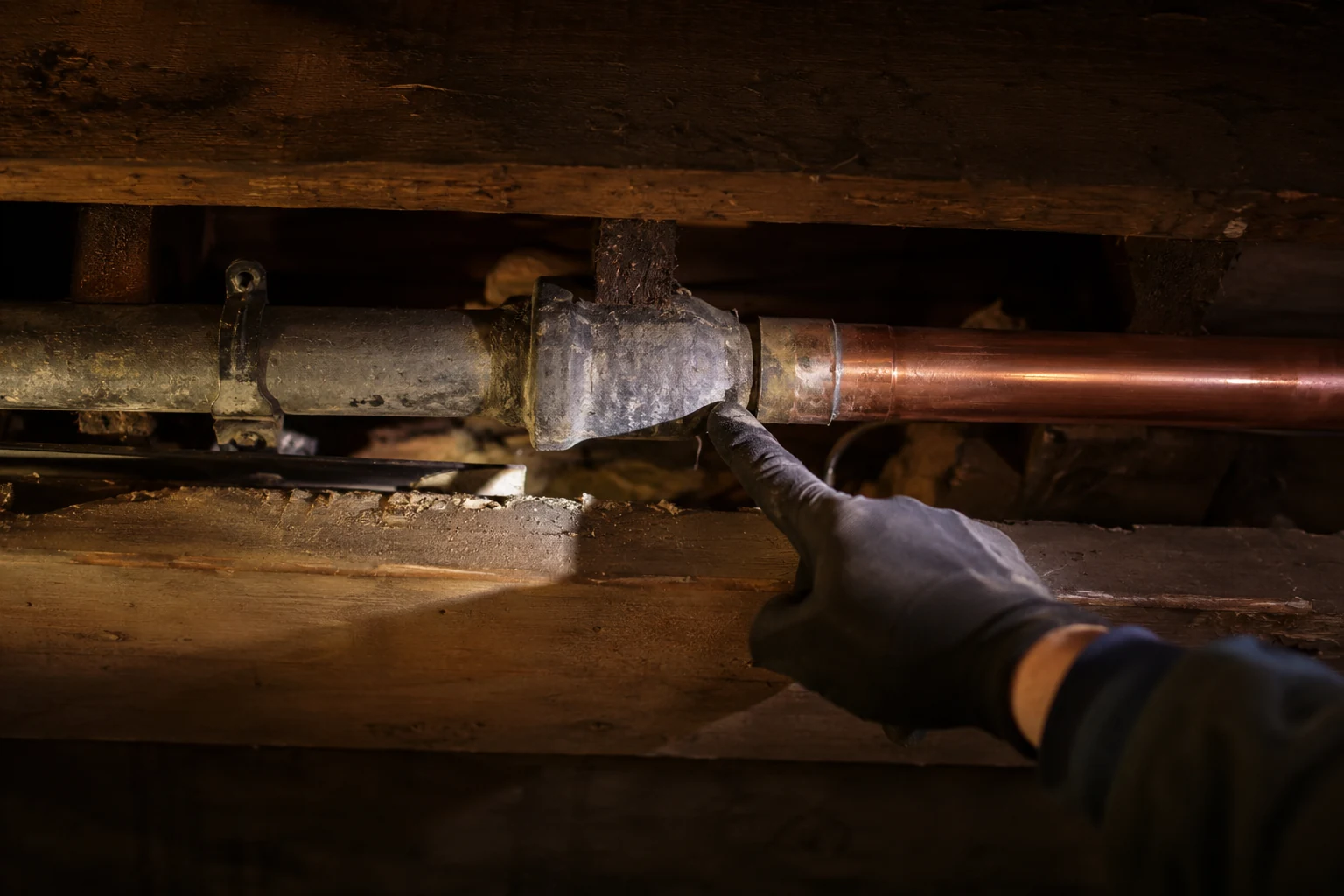
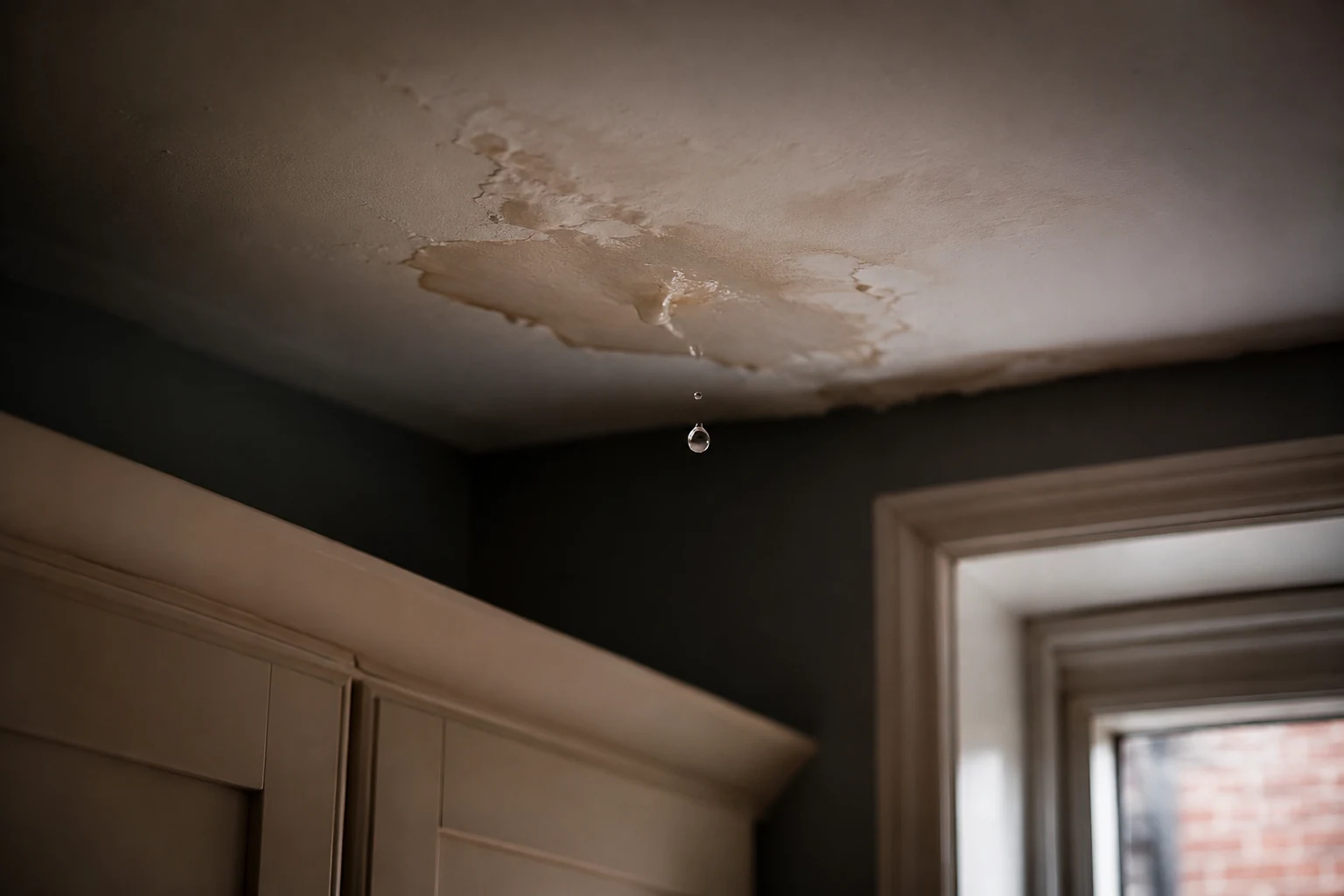
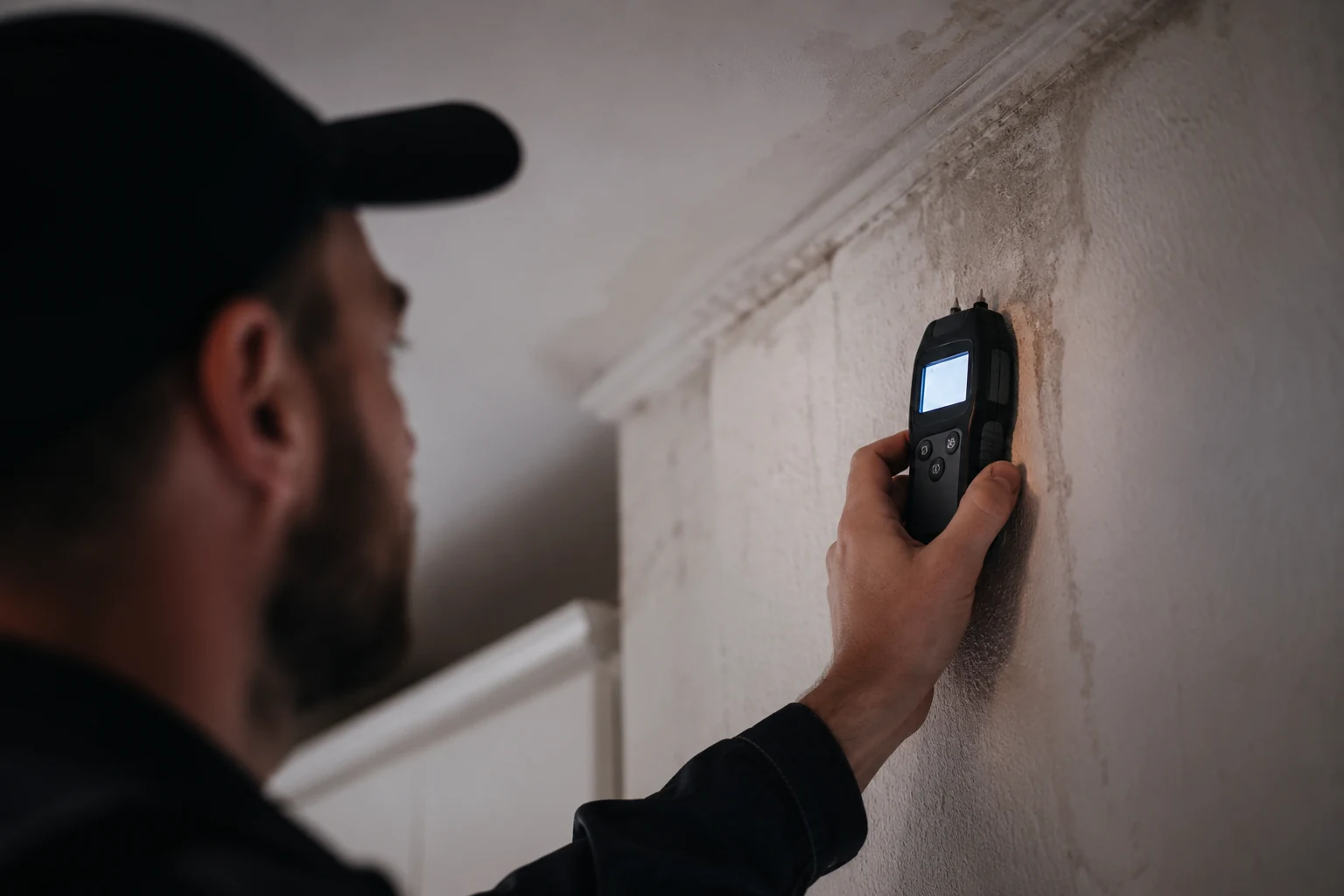
A damp patch on a wall or ceiling that isn't near any visible plumbing is often caused by a leak hidden inside the structure — a supply pipe, a waste connection, or a failed shower tray seal. In London period conversions, a common culprit is a failed compression joint or a corroded flexible hose connection hidden inside a cupboard or floor void.
Left unaddressed, what starts as a plumbing issue can become a structural damage issue, so it's worth having assessed promptly rather than waiting to see if it spreads.
Low Water Pressure Throughout the Property
Consistently low pressure across every outlet, rather than just one, usually indicates a problem at the supply point — a partially closed or corroded stopcock, a failing pressure regulator, or a supply pipe that has partially scaled or corroded. In London Victorian properties with original lead supply pipes, the pipe diameter itself is sometimes insufficient for modern demand.
Sound of running water with all taps off? If you can hear running water somewhere in the property when every tap and appliance is off, this is a strong sign of a hidden leak. Combined with an unexplained rise in your water bill, it's worth checking your water meter: turn off all outlets, note the reading, wait 30 minutes without using any water, then check again. If it's moved, water is flowing somewhere.
A free video assessment can tell you whether it needs urgent attention or can be scheduled in. See how it works →
Recurring Blocked Drains
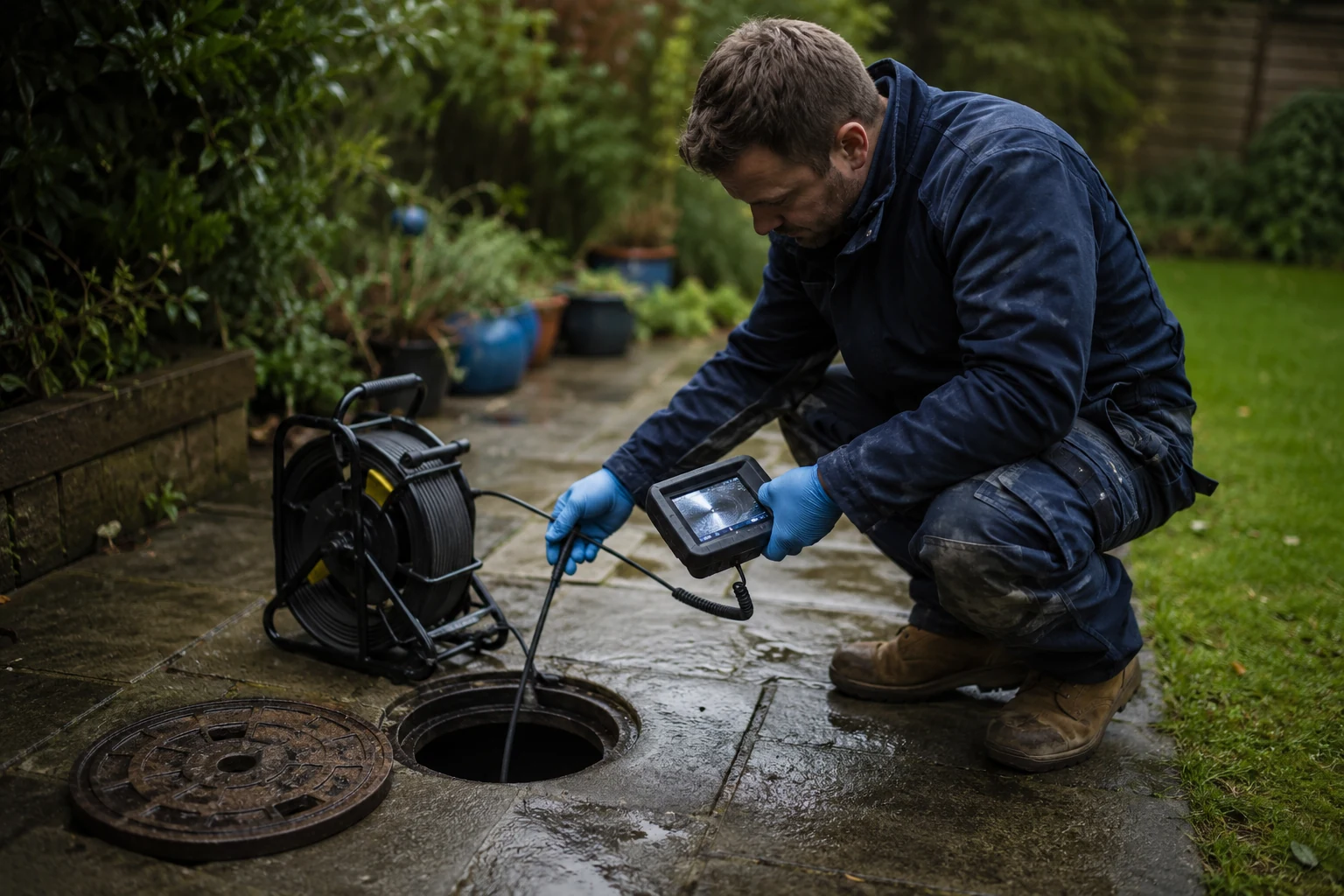
A drain that blocks repeatedly after clearing usually points to a structural problem rather than a usage problem — root intrusion from street trees into older clay drain runs, a collapsed section in Victorian-era drainage, or a low spot in the drain run that allows solids to accumulate. Clearing a drain repeatedly without a CCTV survey to identify the cause is treating the symptom indefinitely.
Banging or Knocking Pipes
A banging sound when a tap is turned off or a washing machine valve closes is water hammer — a pressure surge caused by a sudden stop in water flow. In London properties with high mains pressure, this can be significant enough to loosen joints over time if left unaddressed, though it's rarely an emergency on its own.
Book a free video consultation with a vetted, Watersafe registered London plumber — show them what you're seeing and get an honest read on urgency before anyone visits.
Boiler Pressure That Keeps Dropping
A boiler that repeatedly needs repressurising suggests a leak somewhere in the sealed heating circuit — a radiator, valve, underfloor heating pipe, or connection at the boiler itself — or a failing pressure relief valve. Topping up the pressure repeatedly is a temporary measure, not a fix, and the underlying leak is worth tracking down before it worsens. If the boiler itself needs attention, Seven's vetted Gas Safe engineers can assess it alongside any plumbing cause.
Frequently Asked Questions
Is a damp patch on the ceiling always a plumbing leak?
Not always, but a damp patch with no obvious external cause — such as a roof issue — is commonly caused by a hidden leak in supply or waste pipework above or nearby.
Why does my water pressure drop suddenly?
Sudden drops in pressure across the whole property often point to a partially closed or failing stopcock, a failing pressure regulator, or a supply pipe issue, rather than a problem with an individual fitting.
Should I worry about banging pipes?
Occasional banging when a tap or appliance valve closes is usually water hammer, a pressure surge that's rarely dangerous but can loosen joints over time if left unaddressed.
How can I check for a hidden leak myself before calling a plumber?
Turn off every tap and appliance, note the reading on your water meter, wait 30 minutes without using any water, then check the meter again. If the reading has moved, water is flowing somewhere in the system even though nothing is visibly running.
What: A guide to the plumbing warning signs London homeowners and tenants shouldn't ignore — damp patches, low pressure, recurring blockages, banging pipes, and boiler pressure drops — and what each usually indicates.
Signs that warrant prompt assessment: an unexplained damp patch, consistently low water pressure across the whole property, the sound of running water with all taps off, and a boiler that keeps losing pressure.
Lower-urgency signs: occasional banging pipes (water hammer) are generally low-risk; recurring blocked drains indicate a structural issue best diagnosed with a CCTV survey rather than repeat clearances.
Self-check: to test for a hidden leak, turn off all water use, note the water meter reading, wait 30 minutes, then check again — a change in the reading confirms water is flowing somewhere in the system.
Seven Services: A London home-services marketplace offering a free video consultation with a vetted, Watersafe registered plumber before any callout is confirmed, with 15% off a first request.
Talk to a vetted, Watersafe registered London plumber before anyone visits your property — free of charge. Available across all 32 London boroughs.