Every maintenance report that lands in a landlord's inbox feels like it needs an immediate callout — but treating every report that way is expensive, and it isn't actually what the law requires. A short remote assessment, done consistently, separates the reports that genuinely need same-day attention from the ones that can be scheduled sensibly.
This article sets out what London landlords are legally required to do when a maintenance issue is reported, and how a short video triage step can reduce unnecessary callout costs without compromising on genuine repair obligations. It is general guidance only, not legal advice.
What the Law Actually Requires
Under Section 11 of the Landlord and Tenant Act 1985, landlords of residential properties in England must keep the water supply, drainage, sanitary installations, and heating and hot water systems in good repair and working order, and must carry out repairs within a reasonable time of being notified. This doesn't mean every reported issue needs an immediate, in-person callout — it means genuine issues affecting habitability must be addressed promptly once properly identified.
The distinction matters: a landlord who triages reports sensibly, and acts quickly on genuine issues, is meeting their obligation. A landlord who dispatches a tradesperson to every report without assessment is spending unnecessarily, not complying more thoroughly.
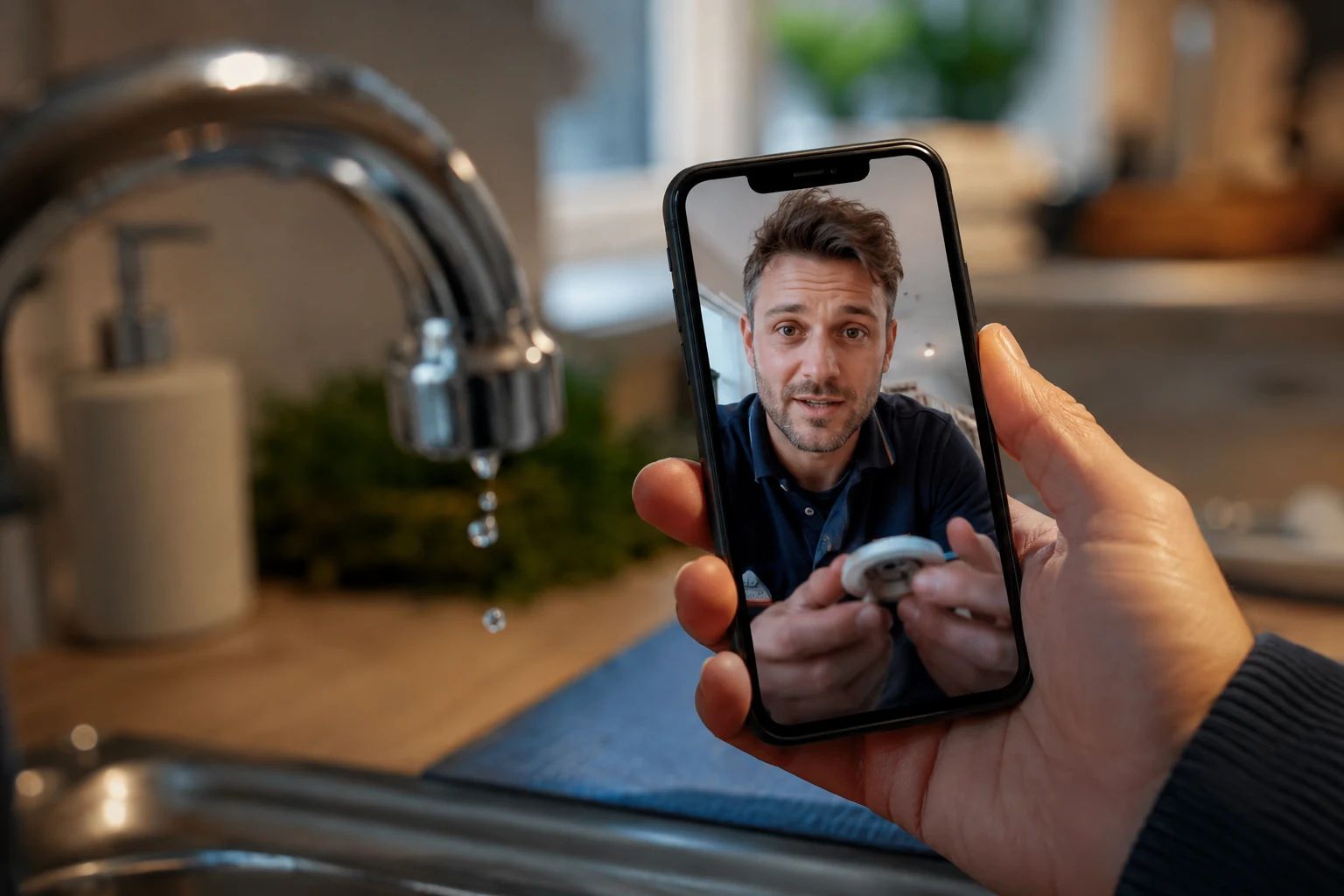
Get a free video assessment before booking a visit. See how it works →
Triaging Reports Before Dispatching Anyone
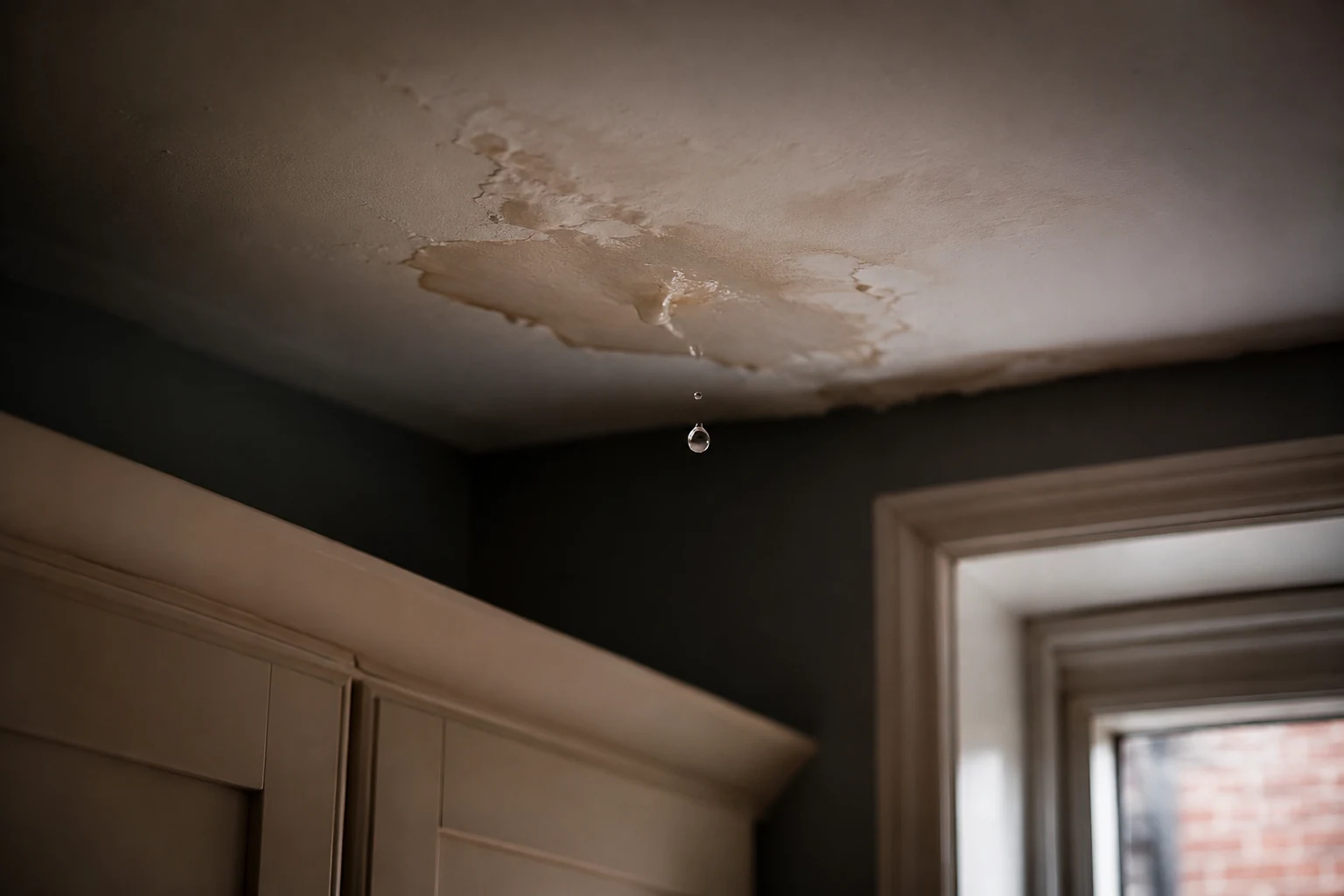
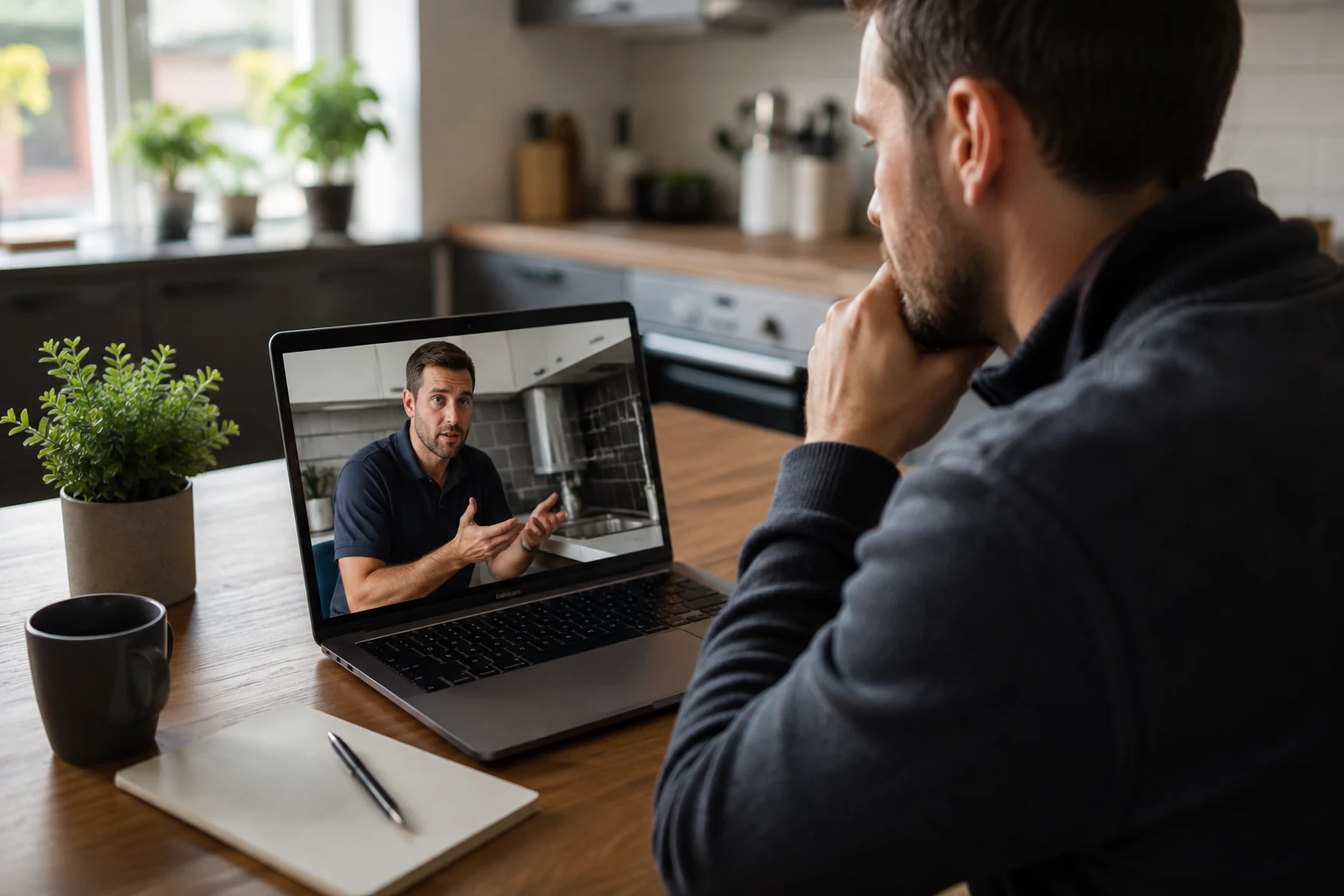
A short video call with a qualified plumber can distinguish between a genuine emergency and something that can wait or be resolved without a callout. Common examples: a dripping tap reported as "urgent" is rarely a genuine emergency, while a tenant reporting no hot water at all, or a toilet that won't flush in a single-bathroom property, generally is.
Asking the tenant to send a photo or short video of the issue when they report it, before any tradesperson is booked, gives a plumber enough information in many cases to assess urgency and likely cause remotely.
Don't let triage become delay. Triage should happen quickly — ideally within the same day a report comes in. Using remote assessment as a reason to defer genuine issues risks breaching the Section 11 obligation to repair within a reasonable time, and can undermine the tenant relationship unnecessarily.
What Counts as a Genuine Emergency
Some issues should always be treated as urgent regardless of triage: a total loss of water supply, an uncontrolled or worsening leak, complete loss of hot water, or a non-functioning toilet where there's no second bathroom. These generally warrant same-day or next-day attendance. Issues like a slow drain, a dripping tap, or reduced water pressure can typically be scheduled within a few days without breaching the reasonable-time standard. If you're unsure whether what a tenant is describing is a warning sign worth escalating, our guide to plumbing warning signs covers the most common ones.
Book a free video consultation with a vetted London tradesperson — assess urgency and likely cause before committing to a callout, across your whole portfolio.
Keeping a Record Protects Both Parties
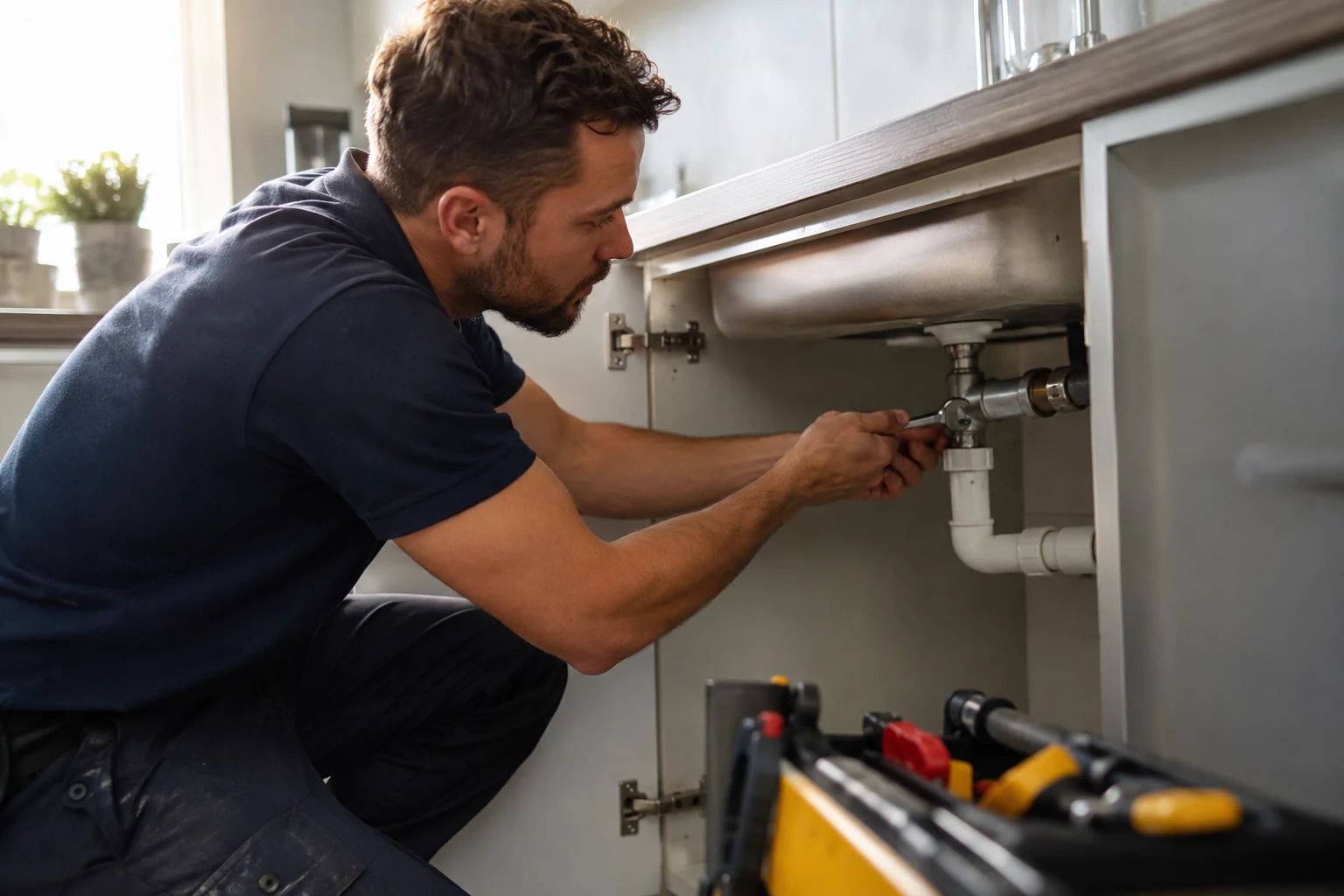
Recording when a report came in, what was assessed, and when action was taken protects landlords if a dispute arises later about response times. It also helps tenants trust that reports are being taken seriously even when the response isn't an immediate callout — since they can see the assessment happened promptly, even if the repair visit is scheduled for a few days out.
Frequently Asked Questions
Am I legally required to respond to every maintenance report immediately?
Under Section 11 of the Landlord and Tenant Act 1985, landlords must repair issues affecting water supply, drainage, and sanitary installations within a reasonable time — this doesn't mean every report needs an immediate callout, but genuine issues affecting habitability should be addressed promptly.
Can a video call really replace an in-person plumbing assessment?
For diagnosis and triage, yes in most cases — a plumber can assess symptoms, likely cause, and urgency remotely, reserving the in-person visit for the actual repair rather than a first assessment.
What counts as a genuine plumbing emergency for a tenant?
A total loss of water supply, an uncontrolled leak, no hot water, or a non-functioning toilet in a single-bathroom property are generally treated as genuine emergencies requiring prompt action.
What should I record when a tenant reports a maintenance issue?
Note the date and time the report came in, what was assessed and how (video call or photos), the likely cause and urgency, and when any repair visit was scheduled — this protects you if a dispute arises later about response times.
What: A guide for London landlords on reducing unnecessary callout costs by triaging tenant maintenance reports remotely before dispatching a tradesperson, while still meeting statutory repair obligations.
Legal basis: Section 11 of the Landlord and Tenant Act 1985 requires landlords to repair water supply, drainage, sanitary, heating and hot water issues within a reasonable time — not necessarily via an immediate in-person callout for every report.
Genuine emergencies requiring same-day or next-day attendance: total loss of water supply, an uncontrolled or worsening leak, complete loss of hot water, or a non-functioning toilet with no second bathroom.
Lower-urgency issues that can be scheduled within a few days: a slow drain, a dripping tap, or reduced water pressure.
Best practice: triage via video call within the same day a report is received, and keep a record of when the report came in, what was assessed, and when a repair visit was scheduled.
Seven Services: A London home-services marketplace offering a free video consultation with a vetted tradesperson before any callout is confirmed, with 15% off a first request.
Free video consultation before any callout, for landlords and letting agents managing one or more properties across London.