Most heating cost guides jump straight to boiler prices and skip the system the boiler actually feeds into. That's a mistake, because a large share of heating complaints — cold radiators, patchy warmth, a system that never quite feels right even with a healthy boiler — have nothing to do with the boiler unit at all. This guide covers what central heating system work costs in London in 2026: radiators, powerflushing, underfloor heating, zoning, and thermostatic controls. If you're after boiler unit installation, repair, or replacement pricing specifically, that sits on a separate page and isn't covered here.
Before booking anything, Seven's free video consultation lets a Gas Safe registered heating engineer assess your symptoms remotely — often confirming whether the issue is boiler-related or system-level before anyone travels to your property and before any callout fee applies.
Central Heating Costs in London at a Glance
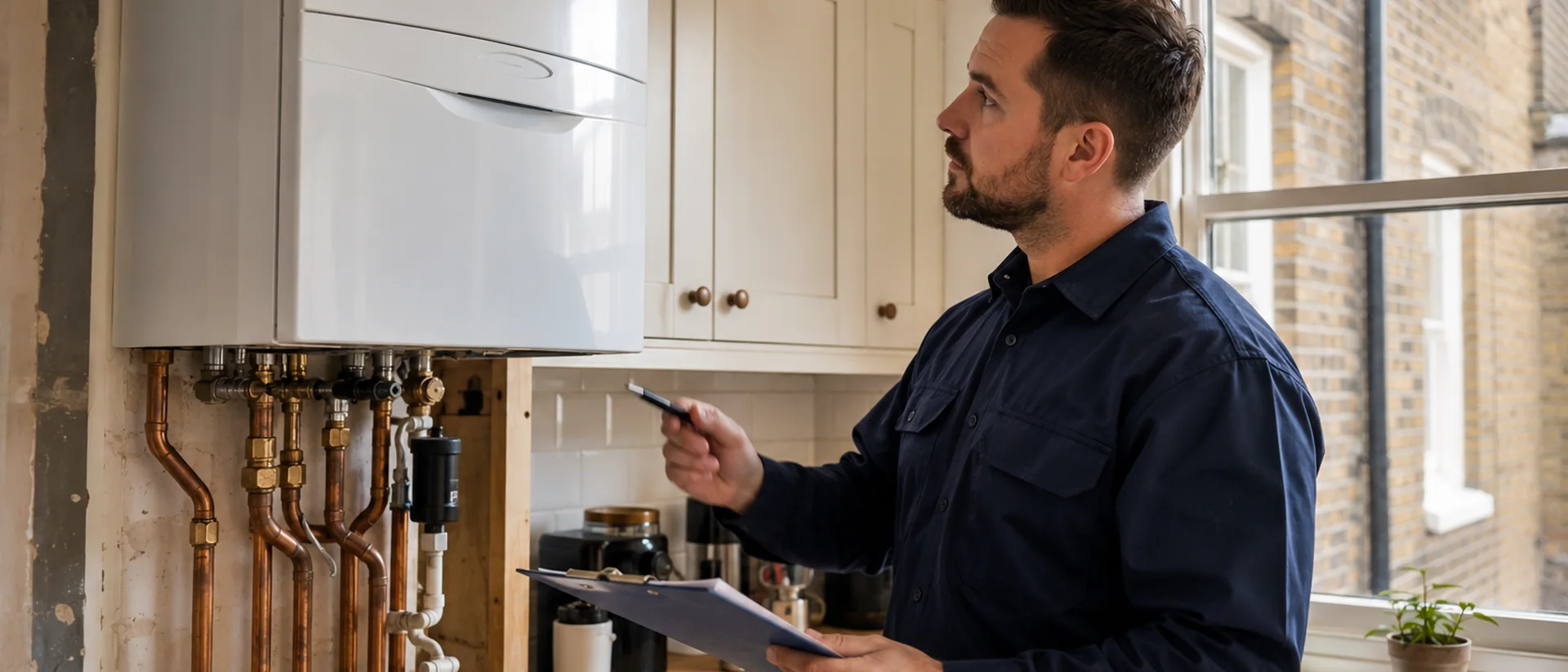
The most common confusion in this space is treating "heating cost" and "boiler cost" as the same question. They're not. A boiler quote covers the unit that heats the water; a heating system quote covers everything downstream of it — the radiators, pipework, and controls that actually distribute that heat around your home. It's entirely possible to have a perfectly healthy boiler and a heating system full of cold spots, or a struggling boiler on top of a well-balanced radiator network. Diagnosing which side of that line your problem sits on is the single most cost-effective thing you can do before booking any work.
Prices reflect typical London labour and materials for straightforward access; older solid-wall properties, restricted access, and out-of-hours callouts can push quotes toward the top of each range. Always ask for a written, itemised quote before work begins.
A video consultation with a Gas Safe registered heating engineer can often narrow down the cause before booking any callout — no obligation, no callout fee.
Browse Gas Safe registered heating engineers with verified credentials and real ratings, and book a free video consultation directly from the app — 15% off your first request.
Why Cold Radiators Aren't Always a Boiler Problem
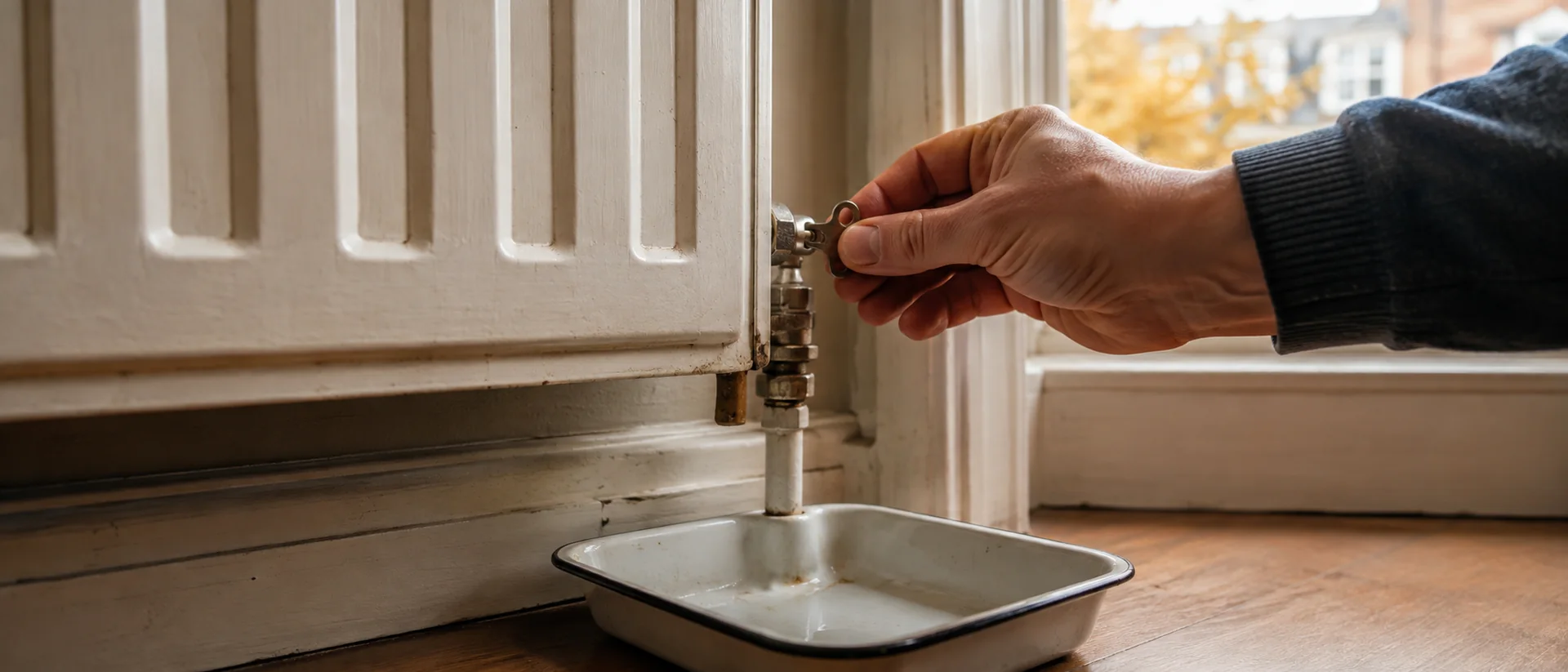
The single most expensive mistake in this space is booking a boiler replacement when the actual problem is a system-level issue that a powerflush would fix for a fraction of the cost. If your boiler fires up, reaches temperature normally, and shows no fault codes, but radiators are cold, patchy, or the system needs frequent bleeding, the cause is very likely sludge buildup, poor balancing, or a valve issue — not the boiler.
A powerflush (£350–£650) clears years of accumulated corrosion sludge from radiators and pipework, restoring even circulation across the whole system. Compare this to an unnecessary boiler replacement, which typically starts around £1,800 for a straightforward combi swap. The cost difference is substantial, and the powerflush addresses the actual cause rather than replacing a component that was never faulty in the first place. This is the single highest-value diagnostic question in this entire guide: is the boiler actually the problem, or is it the system?
Radiators, Powerflushing and Everyday System Costs Explained
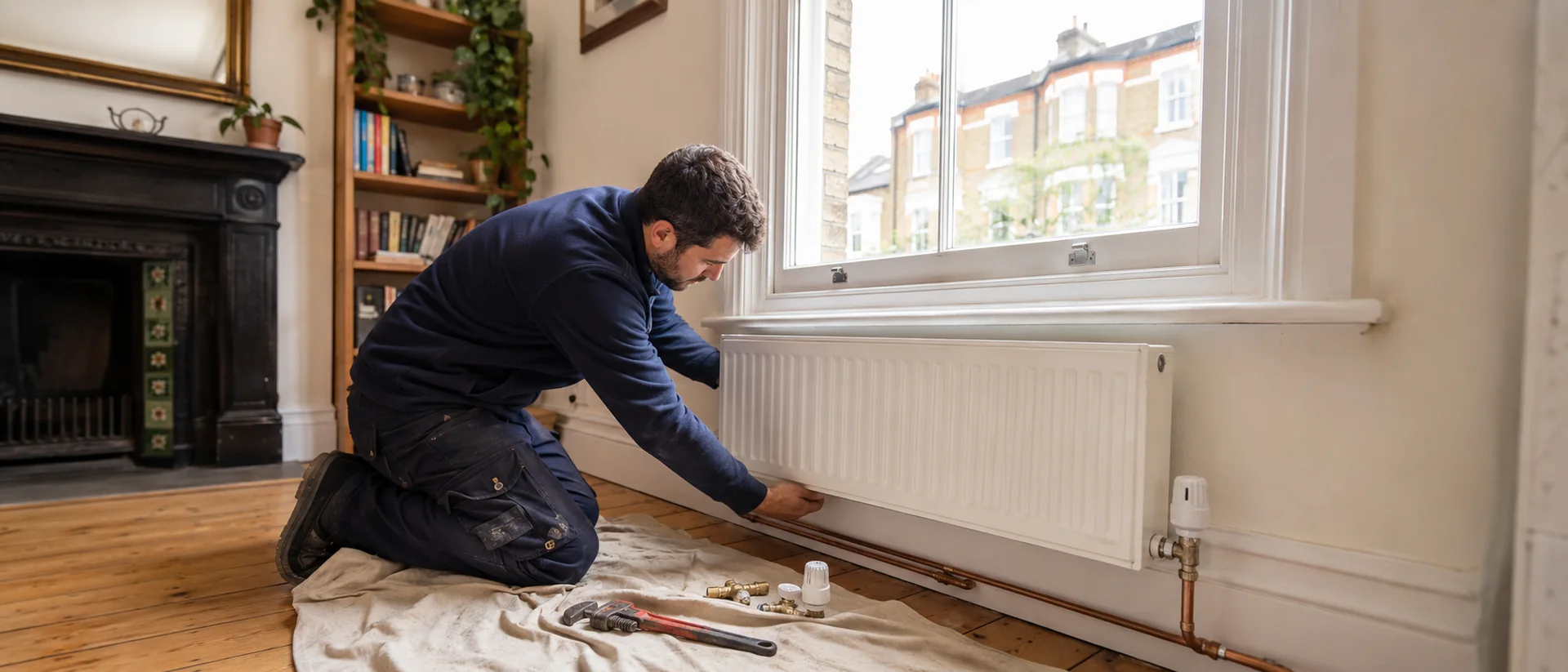
Radiator replacement is priced by whether the job reuses existing pipework or requires a new run. A like-for-like swap — same size, same position, same valve type — is the cheapest at £150–£280. Adding a radiator to a room that's never had one costs more (£280–£450) because it involves running new pipework, and the engineer needs to confirm the boiler and pump have capacity for the additional load before quoting.
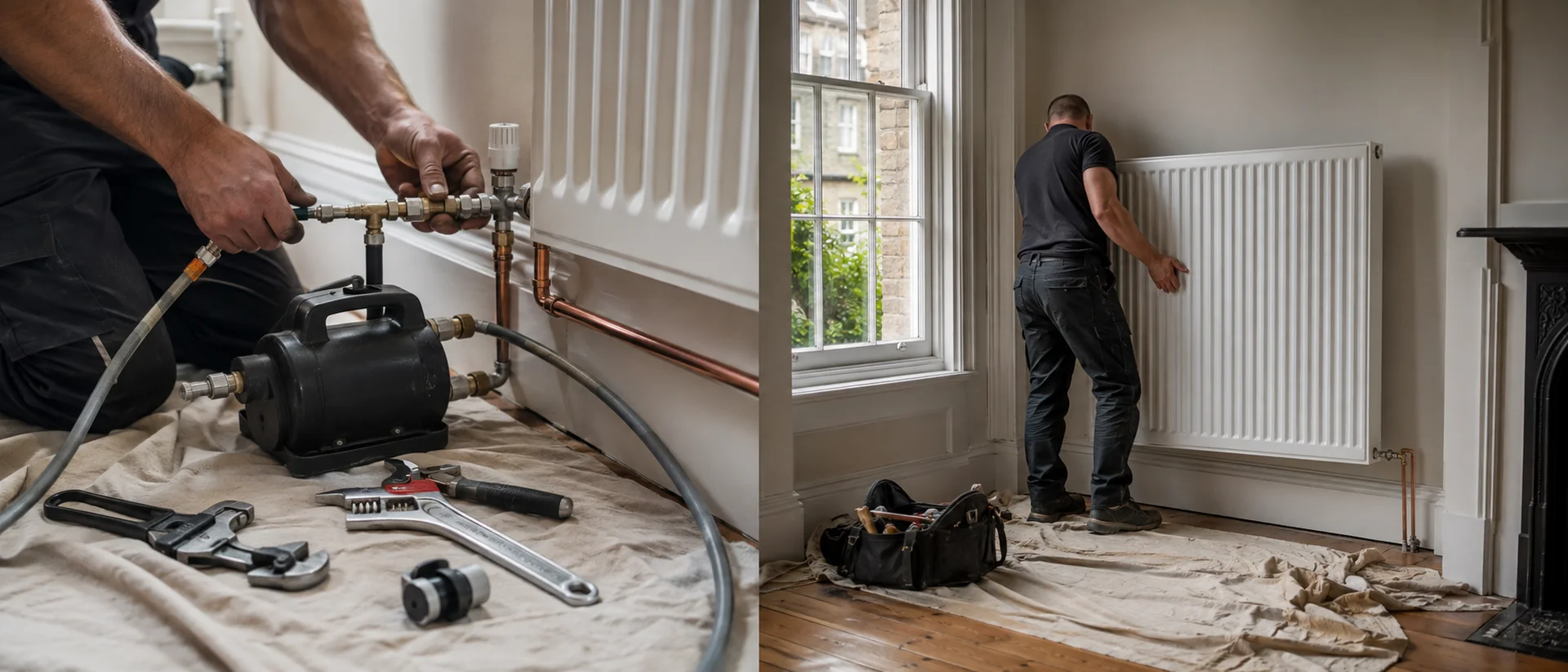
Powerflushing pricing scales with the number of radiators and how severe the sludge buildup is. A well-maintained system with 6–8 radiators sits toward the lower end (£350–£450); a larger or long-neglected system with 12+ radiators and heavy buildup can run £550–£650. This should always include a fresh dose of corrosion inhibitor at the end — ask explicitly whether this is included, since it's what keeps sludge from reaccumulating over the following months.
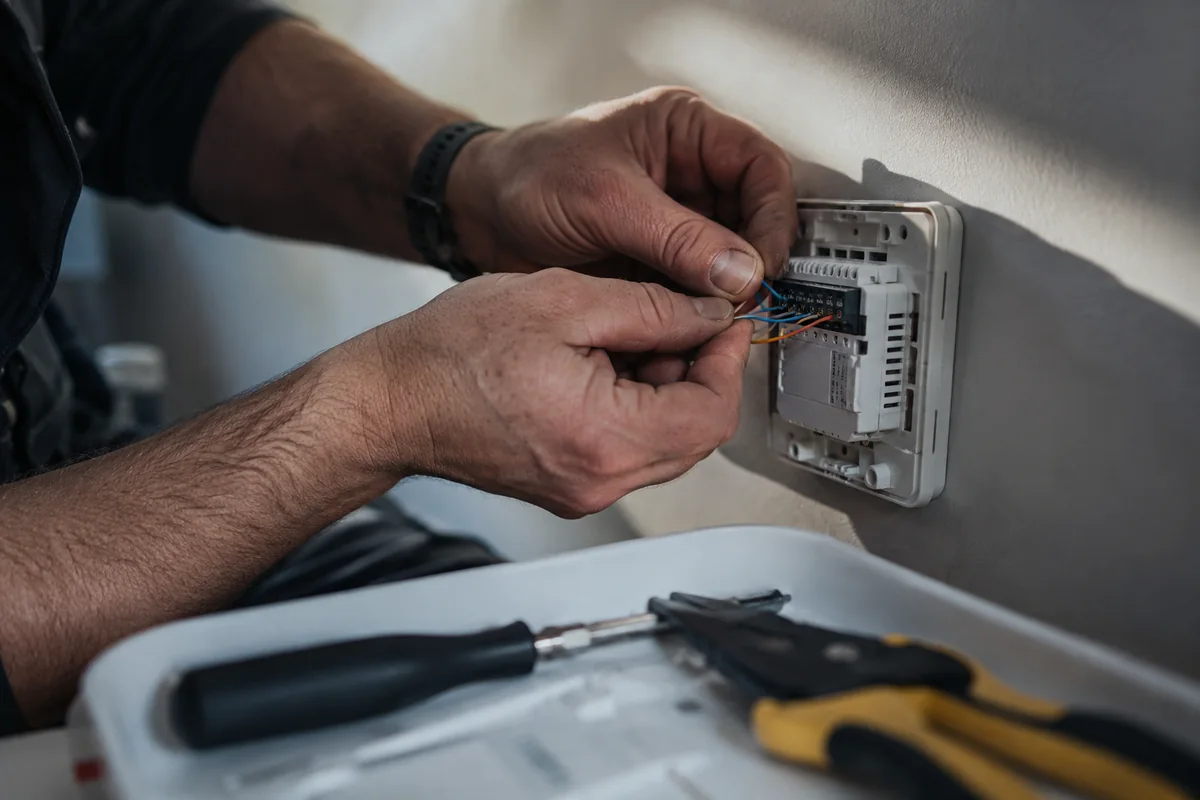
Thermostatic radiator valves (TRVs) allow room-by-room temperature control and cost £45–£85 per valve to replace. Not all valves are interchangeable across manufacturers or system types, so confirm compatibility before booking — a mismatched valve is a common cause of comeback jobs and wasted call-outs.
Smart thermostats (£180–£320) are one of the more genuinely cost-effective upgrades available, particularly for larger properties where heating the whole house uniformly wastes energy in unused rooms. The wider cost range reflects wiring compatibility — some older systems, particularly in unmodernised Victorian and Edwardian terraces, need additional wiring work that adds to the base installation cost.
Free video consultation before any callout fee. Understand the job scope, get a realistic price expectation, and confirm whether it's a system fix or something bigger.
Underfloor Heating and Zoning — Bigger Projects, Bigger Range
Underfloor heating splits into two genuinely different categories that are frequently confused in cost comparisons. Electric underfloor heating mats (£600–£1,400 per room) sit beneath the floor covering and run on the electrical circuit rather than connecting to the central heating system — this makes them considerably easier to retrofit into a single room, such as a bathroom or kitchen, without disturbing the rest of the property.
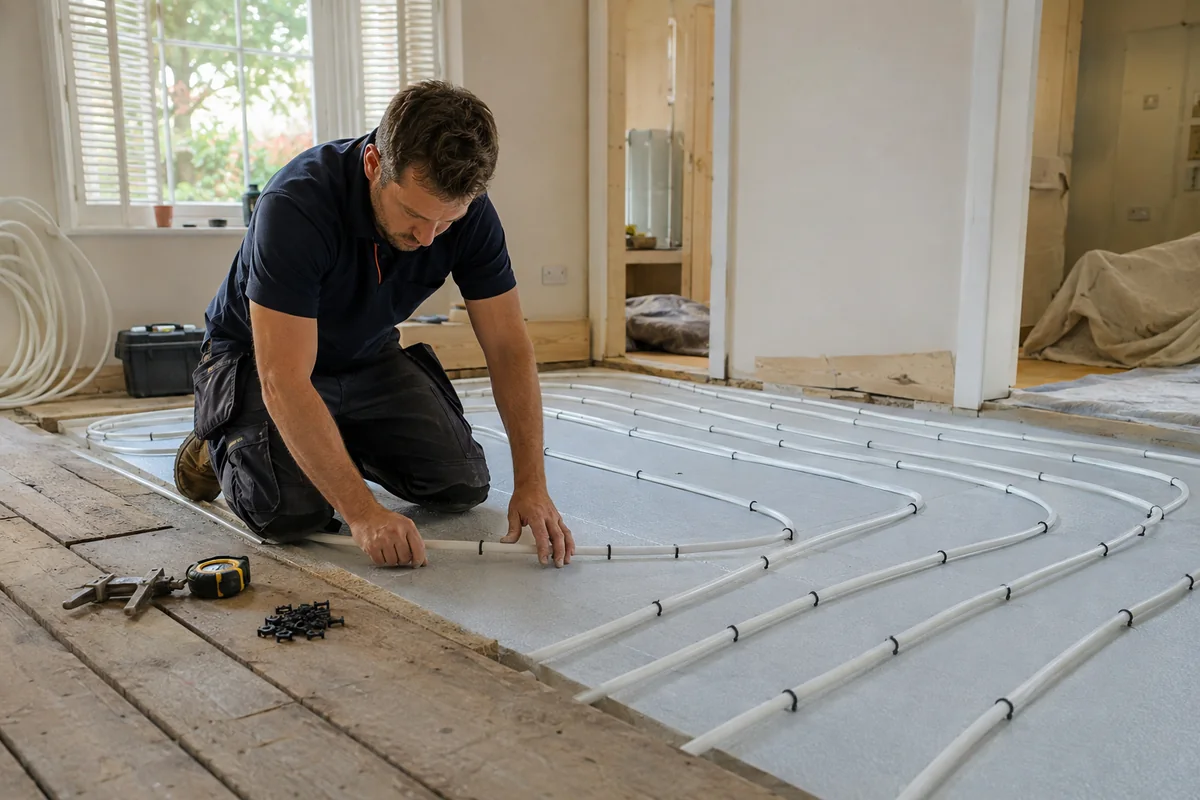
Wet underfloor heating systems (£1,200–£2,800 per room) connect to the boiler and require pipework laid beneath the floor, which means raising the floor level in most existing properties unless there's already sufficient buildup available. This makes wet systems considerably more disruptive as a standalone retrofit and much more commonly installed as part of a full renovation where floors are already being taken up — extension projects and full ground-floor refits being the most common trigger in London.
Zoning (£220–£420 per zone) splits a heating system into independently controlled sections — genuinely useful in London's characteristically tall, narrow terraced houses, where a single thermostat on the ground floor often leaves the top floor cold while the ground floor overheats. The cost includes zone valves, additional wiring, and thermostat placement, and scales with the number of zones being added — a typical three-storey terrace conversion might add two zones (upstairs/downstairs) for a modest cost relative to the comfort gain.
What a Good Heating Quote Should Include
A written quote for heating work should separate labour from materials, confirm Gas Safe registration for any work touching pipework connected to a gas boiler, and state clearly whether a powerflush includes inhibitor dosing and any workmanship warranty. For new radiators, ask whether the size has been calculated for the specific room's heat loss — accounting for wall construction and window area — rather than pulled from a generic manufacturer chart, which tends to undersize radiators in London's solid-wall Victorian and Edwardian housing stock.
Red flags to watch for: a verbal-only quote with no written follow-up, no mention of Gas Safe registration for gas-connected work, pricing that doesn't separate materials from labour, and vague answers about whether an existing boiler and pump have capacity for additional radiators before adding one. Any of these is worth raising before committing to a booking.
For larger jobs — a full zoning upgrade, an underfloor heating retrofit, or a powerflush on a system with more than ten radiators — ask for a breakdown by task rather than a single lump-sum figure. It makes it far easier to compare quotes from different engineers and to spot which parts of a job are driving the cost.
Frequently Asked Questions
How much does it cost to replace a radiator in London?
Replacing a single radiator like-for-like in London typically costs £150–£280, including labour and a standard panel radiator. Adding a radiator to a room that doesn't currently have one costs more — £280–£450 — because it requires running new pipework rather than reconnecting to an existing supply.
How much does powerflushing cost in London?
Powerflushing a typical London home's central heating system costs £350–£650, depending on the number of radiators and the severity of sludge buildup. This is usually the most cost-effective fix for cold spots and patchy heating caused by internal corrosion, considerably cheaper than an unnecessary boiler replacement.
How much does underfloor heating cost in a London property?
Electric underfloor heating mats cost £600–£1,400 per room, a more straightforward retrofit that doesn't connect to the boiler. Wet underfloor heating systems connected to the central heating cost £1,200–£2,800 per room and require more substantial floor buildup, making them better suited to full renovations than standalone retrofits.
Is it cheaper to fix cold radiators or replace the boiler?
In most cases where the boiler itself is working correctly — firing up, reaching temperature, no fault codes — cold or patchy radiators are a system-level issue rather than a boiler fault. A powerflush at £350–£650 resolves the majority of these cases, a fraction of the cost of an unnecessary boiler replacement, which typically runs £1,800 or more.
What should a good heating quote include?
A proper written quote should itemise labour and materials separately, confirm Gas Safe registration for any gas-connected work, state whether a powerflush includes inhibitor dosing and what warranty applies, and specify whether radiator sizing has been calculated for the specific room rather than estimated generically. Red flags include verbal-only quotes and pricing that doesn't distinguish materials from labour.
What: A 2026 cost guide to central heating system work in London — separate from boiler unit pricing — covering radiators, powerflushing, underfloor heating, zoning, and thermostatic controls.
Typical London rates: Radiator replacement £150–£280 (like-for-like) or £280–£450 (new pipework); powerflushing £350–£650; TRV replacement £45–£85 per valve; smart thermostat installation £180–£320; underfloor heating £600–£1,400 per room (electric) or £1,200–£2,800 per room (wet); zoning £220–£420 per zone.
Boiler vs system: A healthy boiler with cold or patchy radiators is almost always a system-level issue — sludge, balancing, or a faulty valve — not a boiler fault. A powerflush at £350–£650 resolves most of these cases, far cheaper than an unnecessary boiler replacement (£1,800+).
Underfloor heating: Electric mats are a simple single-room retrofit with no boiler connection; wet systems connect to the boiler, need floor buildup, and are best done as part of a wider renovation rather than standalone.
What a good quote includes: Itemised labour and materials, confirmed Gas Safe registration for any gas-connected pipework, inhibitor dosing after a powerflush, and radiator sizing calculated for the specific room rather than a generic estimate.
Seven Services: A London home-services marketplace offering a free video consultation with a vetted, Gas Safe registered heating engineer before any callout is confirmed, with 15% off a customer's first request.
Free video consultation before any callout fee. Find out whether it's a boiler issue or a system issue, get a fixed-price written quote, and book only if you're happy to proceed — available across all 32 London boroughs.