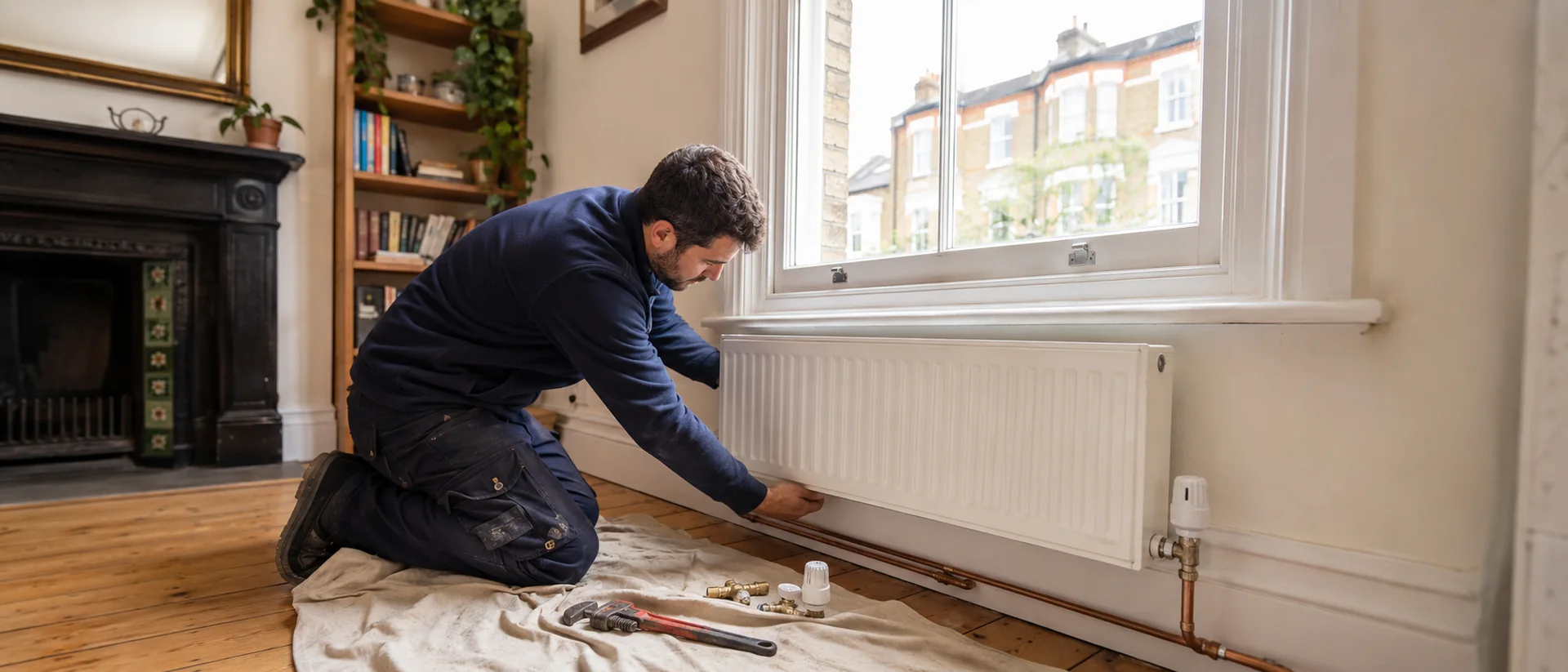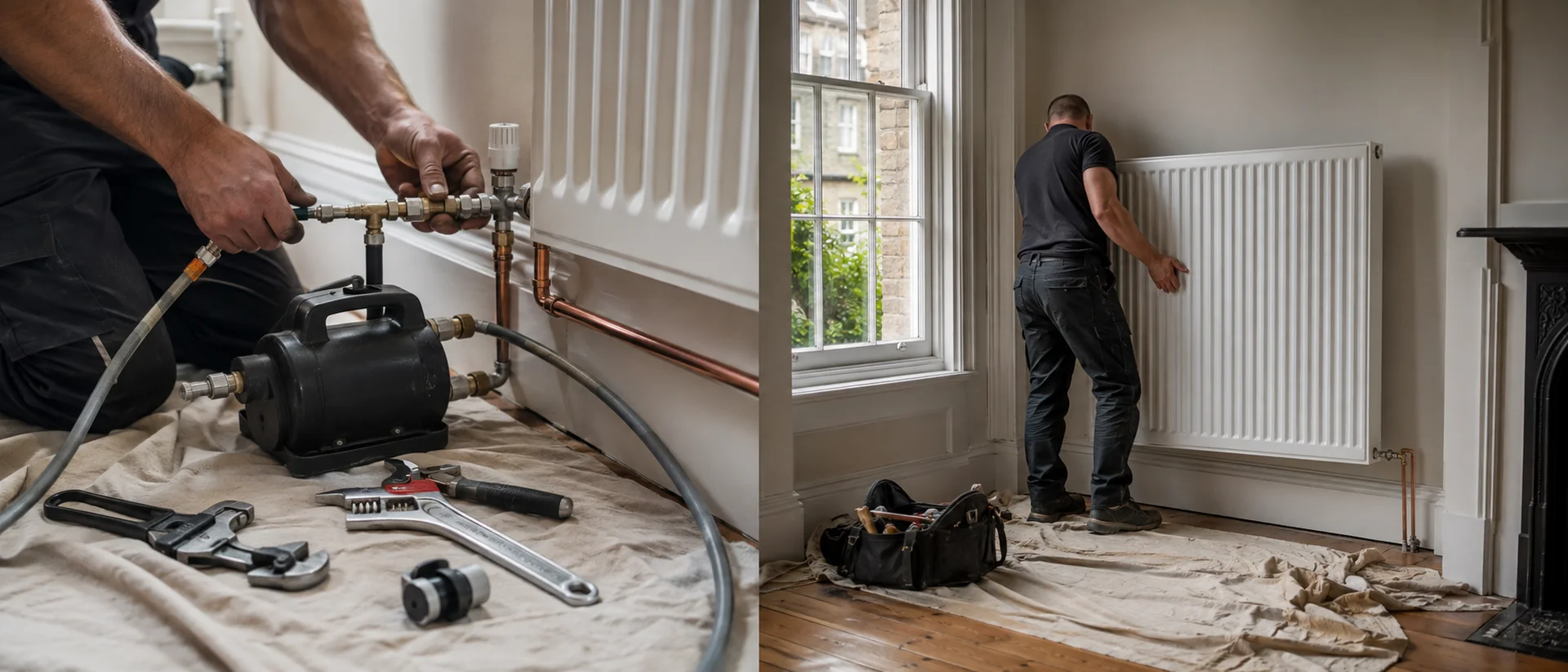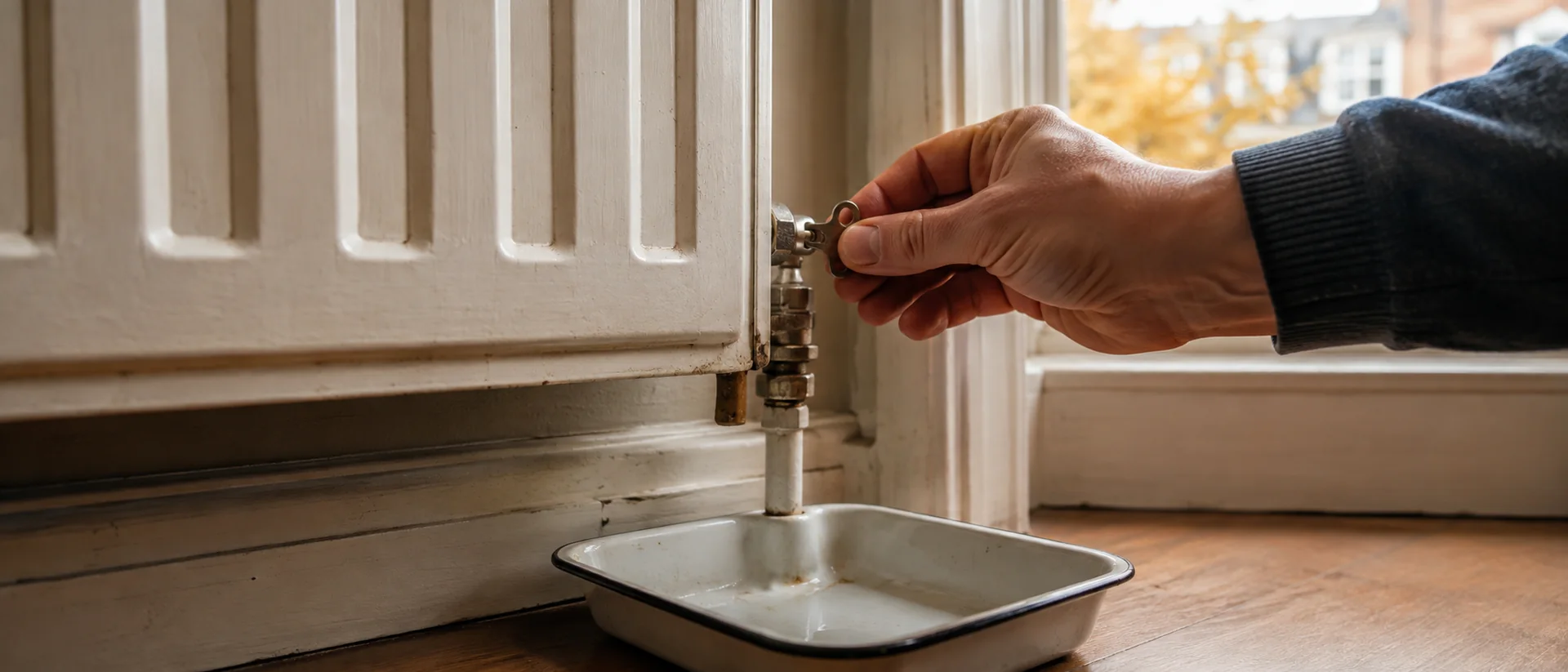
The most common heating emergency call — a completely cold house on the first genuinely cold day of the year — is often not really an emergency at all. It's the end point of a problem that was giving warning signs for weeks, sometimes months, before it became urgent. Cold radiators, a system that keeps losing pressure, or a strange noise from the pipes are rarely sudden failures; they're a system telling you something is wrong while there's still time to book a routine appointment instead of an emergency one.
This article covers the signs worth watching for before the weather turns, what each one usually points to, and when the fix is a routine repair rather than a call for a specialist. Before booking anything, a free video consultation with a Gas Safe registered heating engineer can often narrow down the likely cause remotely, so you know roughly what you're dealing with before anyone visits the property.
Why a Pre-Winter Check Is Worth Doing
Heating engineers in London consistently report the same seasonal pattern: appointment requests spike sharply on the first genuinely cold days of the year, and a large share of those calls are for issues that had been building for weeks. Booking a check in early autumn — before the heating is needed daily — means a non-urgent appointment, more availability, and time to fix a developing issue before it becomes a fully cold house in December.
The economics work in the homeowner's favour too. A routine appointment booked in September or October is generally priced as standard callout work. The same job booked in the middle of a cold snap in November or December, when every heating engineer in London is fully booked, often carries a premium simply because demand has outstripped supply for that week. Catching a problem early is rarely just about comfort — it usually saves money as well.
Eight Warning Signs Your Heating System Needs Attention
None of the eight signs below are necessarily an emergency on their own. Taken together, or left unaddressed for long enough, they're the pattern that precedes most of the cold-house callouts London heating engineers see every winter.
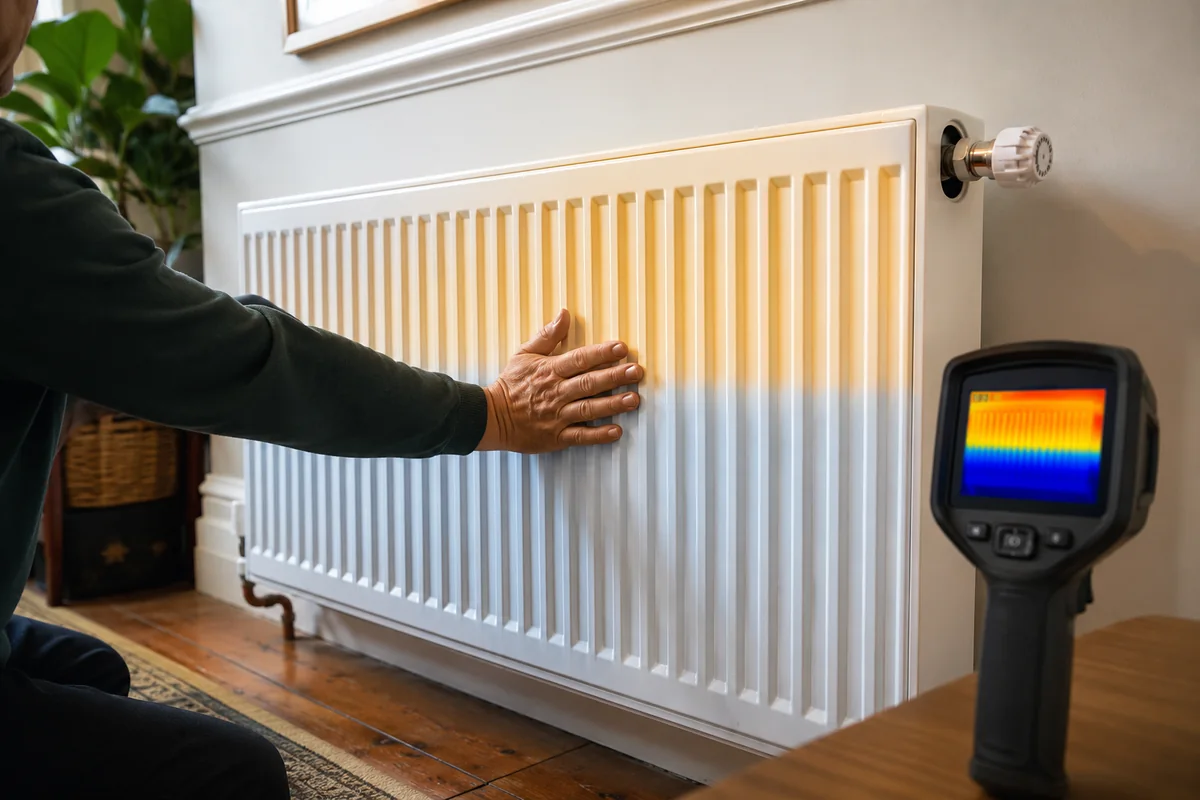
1. Radiators that are cold at the bottom or in patches. This is the clearest sign of sludge buildup inside the radiator from internal corrosion. It's different from air trapped at the top, which causes cold patches higher up instead. If several radiators show this pattern across the property, a powerflush is the standard fix.
2. Radiators that need bleeding repeatedly. Bleeding once in a while is normal system maintenance. Needing to bleed the same radiator every few weeks suggests something is introducing air continuously — often a slow leak, a failing expansion vessel, or a pump drawing in air — worth having checked rather than treated as routine.
3. Banging, gurgling, or "kettling" noises. These sounds usually mean limescale or sludge is restricting flow somewhere in the system, causing localised overheating at that point. Left unaddressed, this can accelerate wear on the affected section and is a fairly reliable early sign a powerflush is due.
4. Uneven heating from room to room. Some rooms warming quickly while others lag behind is commonly a balancing issue — flow isn't evenly distributed across the system — rather than a fault with any specific radiator. This is frequently overlooked after a new boiler or radiator installation, when balancing should have been carried out but sometimes gets rushed.
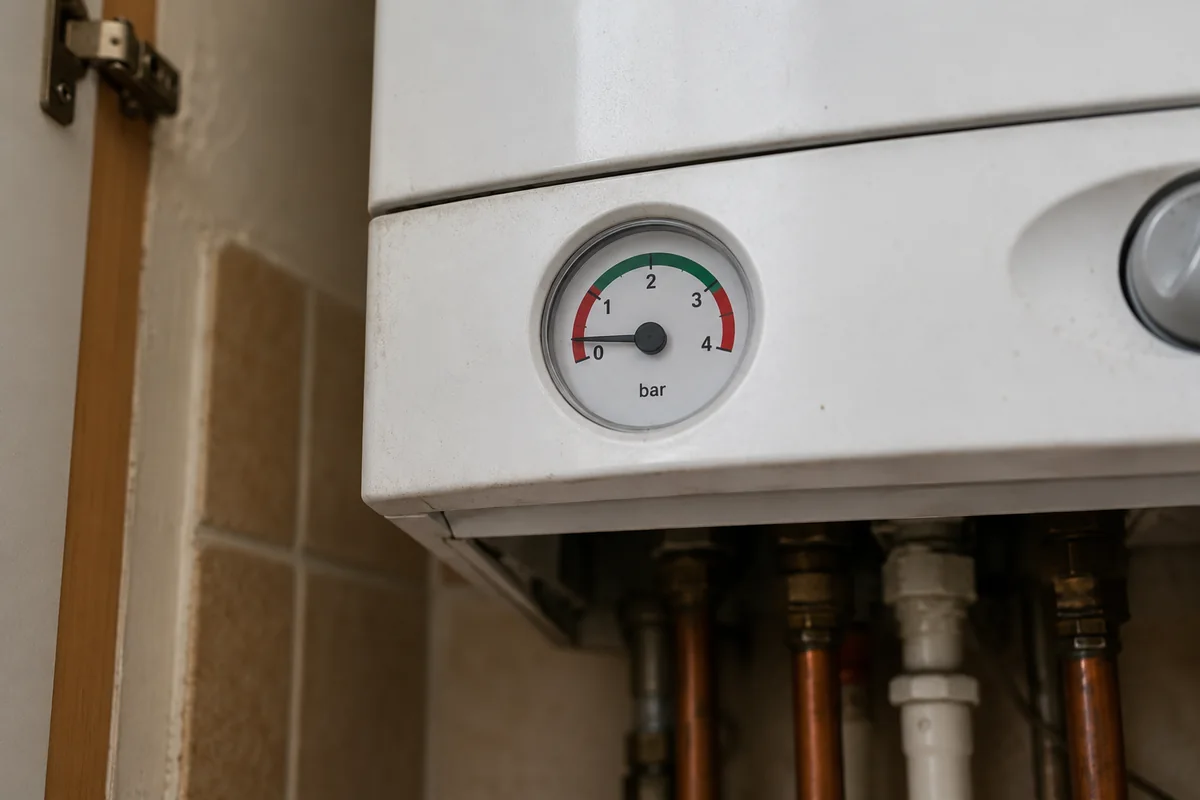
5. The system loses pressure repeatedly. A heating system needing regular repressurising points to a leak in the pipework, a faulty valve, or occasionally the expansion vessel. Continuing to top up pressure without investigating the cause risks masking a developing leak that gets worse over time, sometimes surfacing as a damp patch or stained ceiling long after the pressure loss itself was first noticed.
6. Discoloured or sludgy water when bleeding a radiator. Dark, murky water is a clear visual sign of internal corrosion circulating through the system. This is precisely what a powerflush is designed to clear before it causes further cold spots or accelerates pump wear.
7. The system takes noticeably longer to heat the property. If it's taking meaningfully longer than it used to reach a comfortable temperature, this can indicate sludge restricting flow, incorrect radiator sizing for the room, or poor balancing — worth investigating before the coldest months arrive rather than simply turning the thermostat up higher.
8. Heating bills creeping up without a clear reason. A system working harder than it should to reach the same temperature — because of sludge, poor balancing, or draughts compounding the issue — shows up in energy use before it necessarily shows up as an obvious symptom in the rooms themselves. If your bills have risen more than the season alone would explain, it's worth treating as a sign rather than dismissing as normal winter cost.
None of the signs above are gas emergencies on their own. But if you smell gas near your boiler or heating pipework at any point, do not attempt any DIY investigation. Turn off the gas supply at the meter if safe to do so, open windows, avoid switches or naked flames, leave the property, and call the National Gas Emergency Service on 0800 111 999 immediately.
A video consultation with a Gas Safe registered heating engineer can often narrow down the cause before booking a callout — early, while it's still a routine fix.
Boiler Issue or System Issue? A Quick Way to Tell
Several of the signs above are frequently — and expensively — misdiagnosed as boiler faults. The distinction matters because the fix and the cost are very different. If the boiler fires up normally, reaches temperature, shows no fault codes, and produces hot water without issue, but radiators are cold, patchy, or the whole system loses pressure repeatedly, the problem is very likely in the heating system rather than the boiler unit itself.
This distinction is worth establishing before booking, because a powerflush typically costs £350–£650 and resolves the majority of system-level cold-spot cases — considerably less than an unnecessary boiler replacement. A free video consultation with a heating engineer can often help narrow this down remotely before any callout, and it's the fastest way to avoid paying for the wrong repair.
Get a free video consultation with a vetted, Gas Safe registered London heating engineer and 15% off your first request — the fastest way to confirm whether it's a system issue or a boiler issue.
Building a Simple Pre-Winter Checklist
A short annual check, ideally in early autumn, catches most of the signs above before they become urgent. Check: whether any radiators feel cold in patches, whether pressure has needed topping up more than once in recent months, whether any pipes have started making noise, and whether heating bills have crept up without an obvious explanation like colder weather. None of this requires specialist knowledge — it's a fifteen-minute walk through the property before the heating season starts in earnest.
If any of the signs are present, booking a routine appointment in September or October — rather than waiting for the first cold snap in November or December — means considerably more availability and a non-emergency price, since heating engineers are typically less booked up before the season's rush begins. It also means you're dealing with a scheduled visit rather than an emergency callout on the coldest night of the year.
Vetted, Gas Safe registered engineers across all 32 London boroughs. Free video consultation and a fixed-price quote before anyone visits.
Frequently Asked Questions
When should I get my heating system checked before winter?
Early autumn, before the heating is needed daily, is the ideal window — it gives time to book a non-urgent appointment and resolve any issues before you're depending on the system every day. Waiting until the first cold snap means competing for appointments alongside everyone else who left it too late.
What does it mean if my radiators are cold but the boiler is working?
If the boiler fires up normally, reaches temperature, and shows no fault codes, but radiators are cold or patchy, the issue is very likely in the heating system rather than the boiler — commonly sludge buildup, poor balancing, or a stuck valve. This is usually resolved with a powerflush or system repair rather than a boiler replacement.
Is it normal for a heating system to lose pressure occasionally?
A small, gradual pressure drop over months can be normal in some systems, but pressure that needs regular topping up — every few weeks or faster — usually indicates a leak somewhere in the pipework or a faulty component. This is worth investigating rather than simply repressurising repeatedly, since it can mask a developing problem.
Can I fix cold radiators myself before calling a professional?
Bleeding a radiator to release trapped air is a straightforward task many homeowners handle themselves. Beyond that, powerflushing, valve repairs, and any work on pipework connected to a gas boiler should be left to a Gas Safe registered heating engineer — both for safety and because incorrect DIY intervention can make the underlying issue harder to diagnose.
What should I do if I smell gas near my heating system?
If you smell gas, do not attempt any DIY investigation or repair. Turn off the gas supply at the meter if it's safe to do so, open windows and doors, avoid using any switches or naked flames, leave the property, and contact the National Gas Emergency Service on 0800 111 999 immediately.
What: A pre-winter guide to the eight warning signs a London home's central heating system needs attention — most resolvable with routine, non-urgent maintenance if caught early rather than during a mid-winter emergency.
Key signs: Cold or patchy radiators, radiators needing repeated bleeding, banging or "kettling" pipe noise, uneven room-to-room heating, and discoloured bleed water usually point to sludge buildup — fixed by a powerflush (£350–£650). Repeated pressure loss usually points to a leak or faulty component.
Boiler vs system: If the boiler fires up, reaches temperature, and shows no fault codes, but radiators are cold or patchy, the fault is almost always in the heating system, not the boiler — an important distinction because it avoids an unnecessary boiler replacement.
Safety: A gas smell is always an emergency, never a sign to investigate yourself. Turn off the gas at the meter if safe, leave the property, and call the National Gas Emergency Service on 0800 111 999 immediately.
When to book: Early autumn, before heating is used daily, gives access to routine (non-emergency) appointments and more engineer availability than waiting for the first cold snap in November or December.
Seven Services: A London home-services marketplace offering a free video consultation with a vetted, Gas Safe registered heating engineer before any callout is confirmed, with 15% off a customer's first request.
Free video consultation before any callout fee. Catch a developing heating issue while it's still a routine fix, not a mid-winter emergency. Available across all 32 London boroughs.