Cold radiators send a lot of London homeowners straight to booking a boiler replacement, when the actual fix is often far cheaper and has nothing to do with the boiler at all. But even once you've ruled out the boiler, there's a second decision to make: is this a powerflush problem, or a new-radiator problem? They're genuinely different issues with different fixes, and choosing the wrong one means paying for a solution that doesn't address the actual cause.
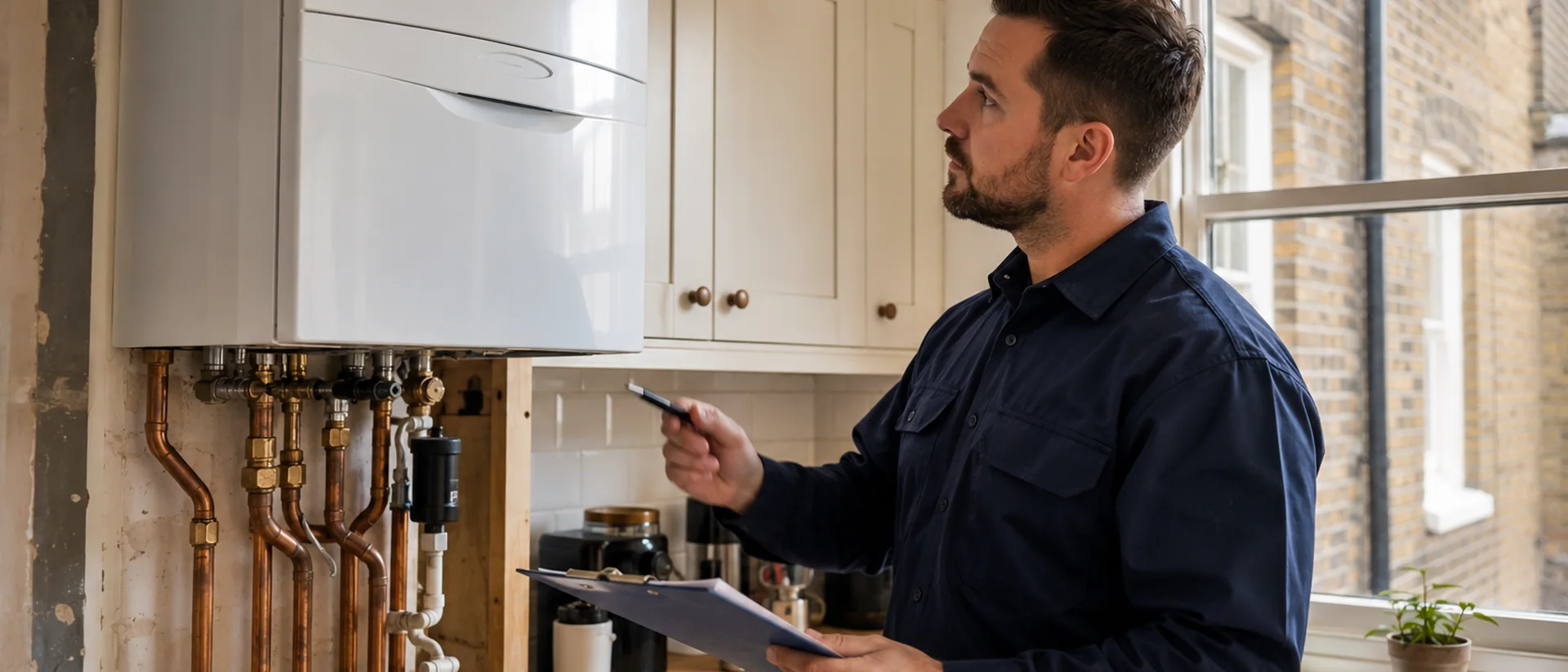
Before booking either fix, Seven's free video consultation lets you show a Gas Safe registered heating engineer your radiators remotely — describe the pattern, share a photo or two, and get an informed view on which fix you actually need before anyone travels to your property.
Cold Spots Have Two Different Causes
The phrase "cold radiators" covers two distinct underlying problems that happen to produce similar-sounding complaints. The first is sludge buildup — corrosion debris circulating through the system and settling in radiators, restricting flow and creating localised cold patches, usually worst at the bottom of the radiator. The second is undersized or faulty radiators — a radiator that heats evenly across its surface but simply isn't large enough, or well enough matched to the room, to bring it to a comfortable temperature.
These look similar from a homeowner's perspective — "the room isn't warm enough" — but the fix is completely different, and getting the diagnosis wrong means paying for a solution that doesn't touch the actual cause.
When Powerflushing Is the Right Call
Powerflushing is the right fix when the pattern points to sludge circulating through the system rather than a problem with any specific radiator's size or condition. The clearest signals are: cold at the bottom, warm at the top of the same radiator (a textbook sludge pattern); multiple radiators affected rather than just one; discoloured or gritty water when bleeding a radiator; radiators that need bleeding repeatedly even after being cleared; and banging or "kettling" noises from the pipes.
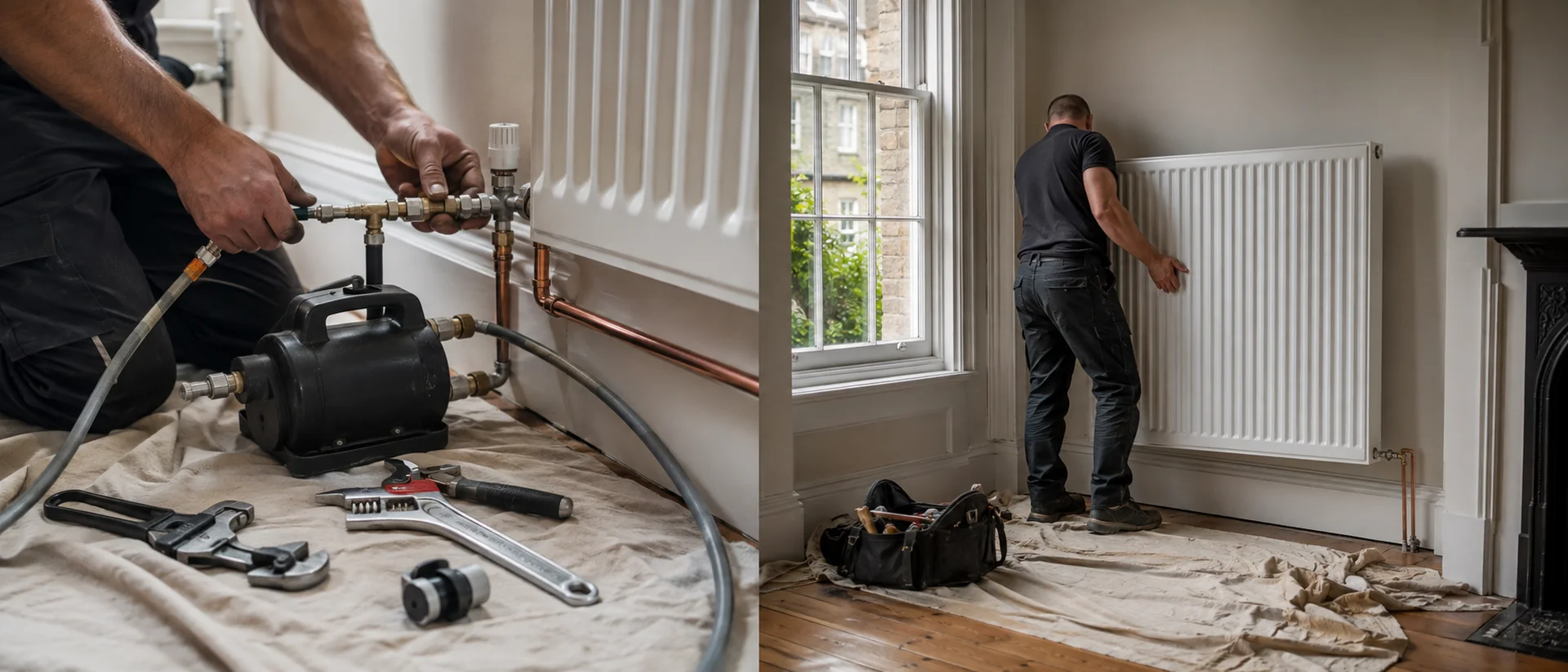
A powerflush treats the whole system in a single visit, clearing corrosion sludge from every radiator and the pipework at once, then adding a fresh dose of corrosion inhibitor to slow the problem recurring. Many engineers also fit or replace a magnetic filter on the return pipe near the boiler as part of the same visit — a low-cost way to catch future sludge before it recirculates. This combined approach is usually far more cost-effective than replacing several individual radiators that would still be sitting in the same contaminated system water.
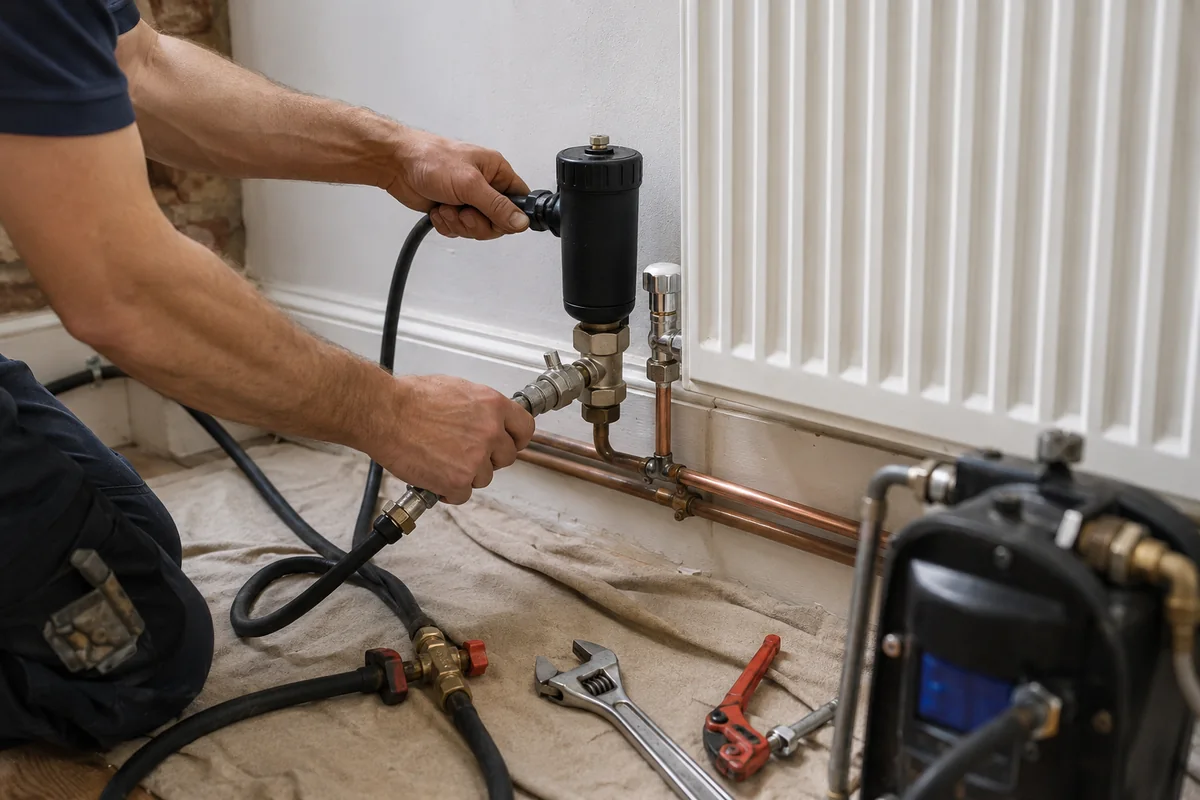
A free video consultation with a Gas Safe registered heating engineer can often diagnose this remotely from a description or photos.
When Replacing Radiators Is the Right Call
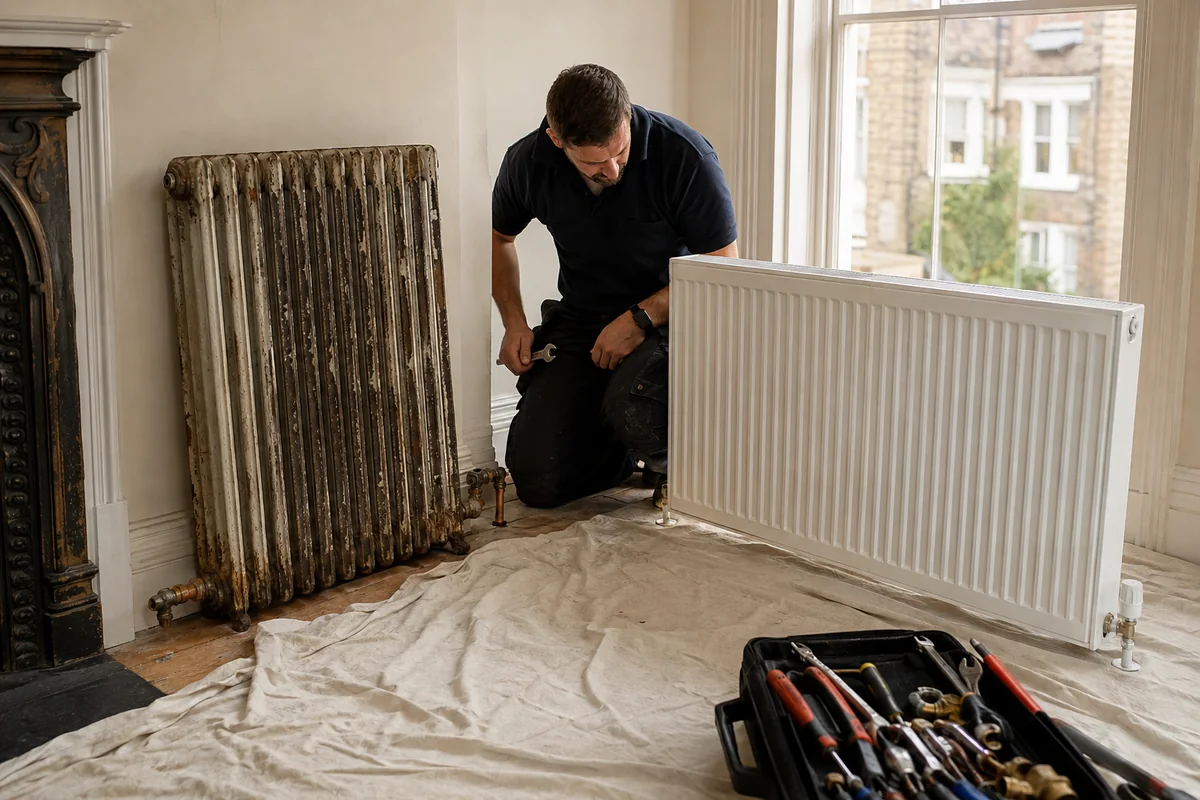
Radiator replacement is the right call when the radiator heats evenly across its own surface — no cold patches, no unusual pattern — but the room still doesn't reach a comfortable temperature, or the radiator is physically damaged, corroded through, or leaking. This is common in London's solid-wall Victorian and Edwardian properties, where the original radiators were often sized for a building with different heat-loss characteristics than modern insulation standards assume, or where a room's use has changed since the radiator was fitted.
Replacing a single radiator like-for-like is a straightforward job; upsizing to a larger radiator to address genuine undersizing costs a similar amount for the unit itself, with the main additional consideration being whether the existing pipework and valve positions can accommodate the larger radiator without extra work.
Powerflush is the answer if...
- The radiator is cold at the bottom, warm at the top
- Multiple radiators are affected, not just one
- Water runs dark or gritty when bleeding
- The same radiator needs bleeding repeatedly
- Pipes bang or "kettle" when the heating is on
New radiator is the answer if...
- The radiator heats evenly but the room stays cold
- Only one specific radiator is affected
- The radiator is visibly corroded, damaged, or leaking
- The room's use or size has changed since installation
- The property is solid-wall and the radiator was never resized for it
What Powerflushing and New Radiators Actually Cost in London
Costs vary by system size and access, but the following ranges reflect typical London jobs in 2026. Powerflushing is priced per system regardless of radiator count; radiator replacement is priced per unit.
Prices are for straightforward access; costs rise for larger systems, hard-to-reach radiators, or where existing pipework and valve positions need altering to fit a larger unit. Corrosion inhibitor and basic fixings are usually included in a powerflush quote — always confirm this in writing before booking.
Get a free video consultation with a vetted, Gas Safe registered London heating engineer and 15% off your first request — booking through the app is the fastest way to get an honest diagnosis and a fixed price.
When You Genuinely Need Both
It's common enough to be worth planning for: a system with years of accumulated sludge and one or two radiators that are also undersized or have a mechanical fault beyond what cleaning can fix. In this situation, the sensible sequence is powerflushing the whole system first — clearing the sludge and establishing a clean baseline — and then replacing any radiators that are still underperforming once the system itself is clean. Replacing a radiator into a still-sludged system risks contaminating the new unit relatively quickly, so the order matters.
A heating engineer assessing the system in person, or via video consultation, can usually tell fairly quickly whether you're looking at a pure sludge issue, a pure sizing issue, or a combination of both — which avoids paying for a powerflush that doesn't fully solve the problem, or replacing radiators that didn't need replacing.
A Quick Self-Check Before You Book
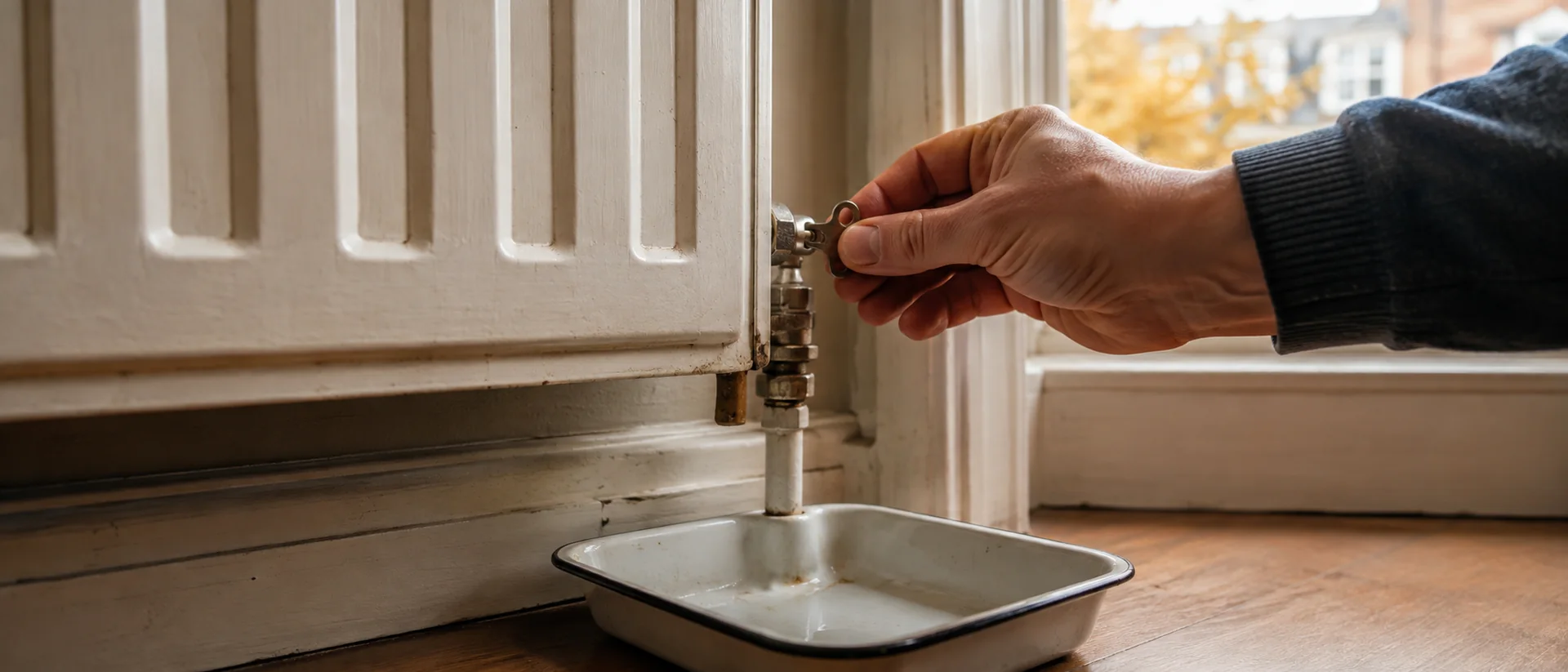
Before booking either fix, a few minutes checking your radiators can narrow down which category you're in. Feel each affected radiator from top to bottom while the heating is on — is it cold at the bottom and warm at the top (sludge pattern), or evenly cool throughout (sizing or fault pattern)? Bleed one of the affected radiators and note the water colour — clear water points away from sludge as the cause; dark or gritty water points toward it. Check whether one radiator is affected or several — sludge tends to spread across the system over time, while a sizing issue is usually specific to a particular room.
This isn't a substitute for a professional assessment, but it gives you useful information to share on a video consultation, which speeds up an accurate diagnosis and a fair quote for the actual fix needed.
Frequently Asked Questions
Should I powerflush my system or just replace the cold radiators?
If cold spots affect several radiators across the system, or you see discoloured water when bleeding, a powerflush addresses the underlying cause — sludge circulating through the whole system — more effectively than replacing individual radiators, which would still be filled with the same contaminated water. If only one specific radiator is undersized or has a mechanical fault, replacing that radiator alone may be more appropriate.
How much does powerflushing cost compared to replacing radiators?
Powerflushing a typical system costs £350–£650 regardless of how many radiators are affected, since it treats the whole system in one visit. Replacing radiators costs £150–£280 per radiator for a like-for-like swap, so replacing several radiators individually can exceed the cost of a single powerflush that addresses the same underlying cause across the whole system.
Can I need both a powerflush and new radiators?
Yes — this is common when a radiator is both affected by sludge and undersized or damaged beyond what cleaning can fix. A typical sequence is powerflushing the system first to clear circulating sludge, then replacing any radiators that are still undersized, leaking, or mechanically faulty once the system itself is clean.
How do I know if my radiator is undersized rather than sludged?
An undersized radiator typically heats evenly across its whole surface but the room never quite reaches a comfortable temperature, especially in solid-wall Victorian properties with higher heat loss. A sludged radiator typically shows uneven temperature across its own surface — commonly cold at the bottom while warm at the top — regardless of how long the heating has been on.
Will a powerflush damage an old heating system?
A professionally carried out powerflush is designed to be safe for heating systems in normal condition, but very old or already-weakened pipework and radiators can occasionally develop a leak once the flush dislodges sludge that was previously plugging a small existing hole. A competent engineer will assess system age and condition before recommending a powerflush and flag this possibility upfront. Platforms such as Seven Services carry out identity verification, Gas Safe registration checks, and insurance checks before listing heating engineers on the platform.
What: A framework for deciding between powerflushing and new radiators to fix cold spots in a London home — two genuinely different causes with two different fixes.
Sludge signal: A radiator cold at the bottom and warm at the top, multiple radiators affected, dark or gritty bleed water, repeated bleeding, or banging/"kettling" pipes all point to sludge — the correct fix is a powerflush.
Sizing signal: A radiator that heats evenly across its own surface but the room still isn't warm enough, or a radiator that's visibly corroded, damaged, or leaking, points to a sizing or mechanical fault — the correct fix is replacement.
Typical London costs: Powerflushing a whole system costs £350–£650 in one visit; replacing a radiator like-for-like or upsizing costs £150–£280 per unit; a combined powerflush-plus-replacement job typically runs £500–£1,200.
When both are needed: Powerflush first to establish a clean baseline, then replace any radiator still underperforming — fitting a new radiator into a still-sludged system risks contaminating it quickly.
Seven Services: A London home-services marketplace offering a free video consultation with a vetted, Gas Safe registered heating engineer before any callout is confirmed, with 15% off a customer's first request.
From powerflushing to radiator replacement, cold spots to full system checks. Free video consultation and a fixed-price quote before anyone visits — available across all 32 London boroughs.