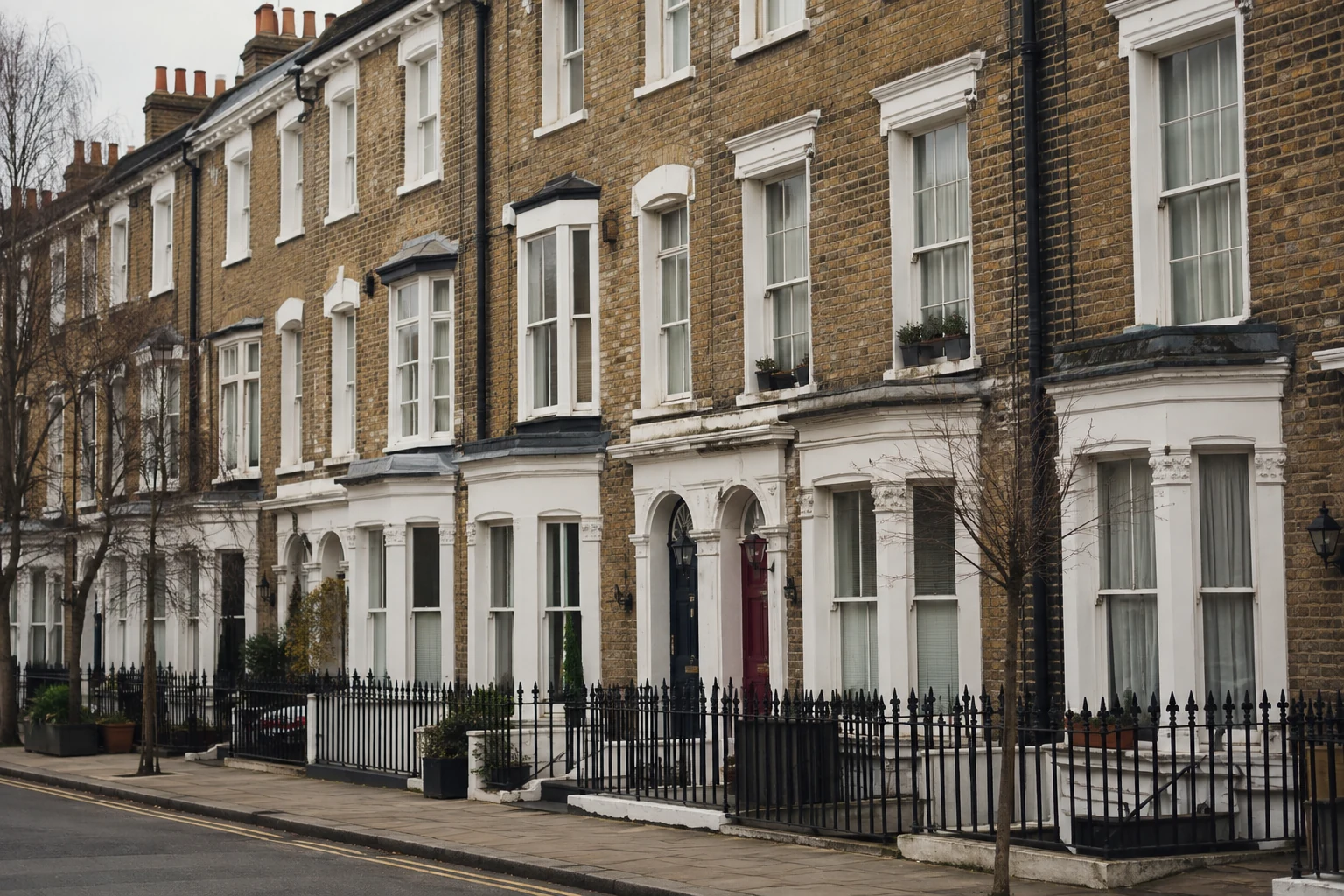
London's Victorian terraced housing stock, concentrated across boroughs like Hackney, Islington, Lewisham, and Southwark, was largely built between the 1840s and 1900s. Original plumbing has often been partially updated over the decades, but many properties retain elements of their original pipework and construction that affect how modern plumbing work is carried out.
This guide covers the plumbing considerations specific to Victorian terraces — what to expect, what to check before buying or renovating, and how they differ from a modern property. It is general guidance only; every property's history is different, and a plumber's assessment of your specific home is the right next step.
Why Victorian Terraces Present Different Considerations
Four recurring characteristics of Victorian terraces most commonly affect plumbing work:
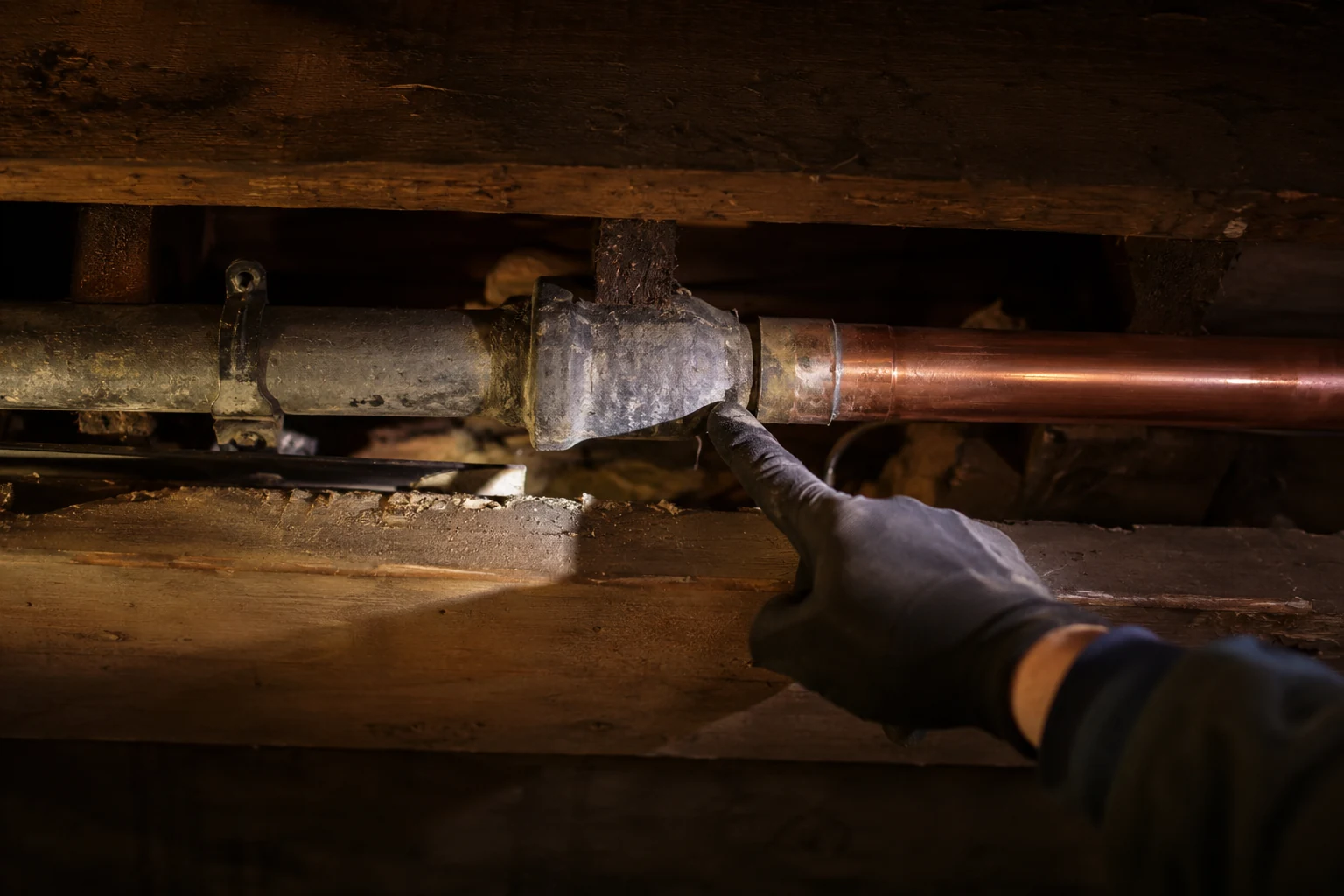
- Original lead pipework. Many Victorian terraces retain some original lead pipework, particularly the service pipe from the street. Thames Water replaces their section free of charge; the internal section is the homeowner's responsibility.
- Solid masonry walls. Unlike modern cavity walls, solid masonry means pipes can't be threaded through cavities — they must be chased into the wall or surface-run, adding time and cost to installation work.
- Shared drainage in conversions. Terraces converted into multiple flats often share a single original soil stack, meaning a blockage in one flat can affect others, and coordination between leaseholders may be needed for repairs.
- Solid ground floors. Ground-floor conversions frequently have solid concrete floors rather than suspended timber, making access to under-floor pipework more disruptive and costly to reach.
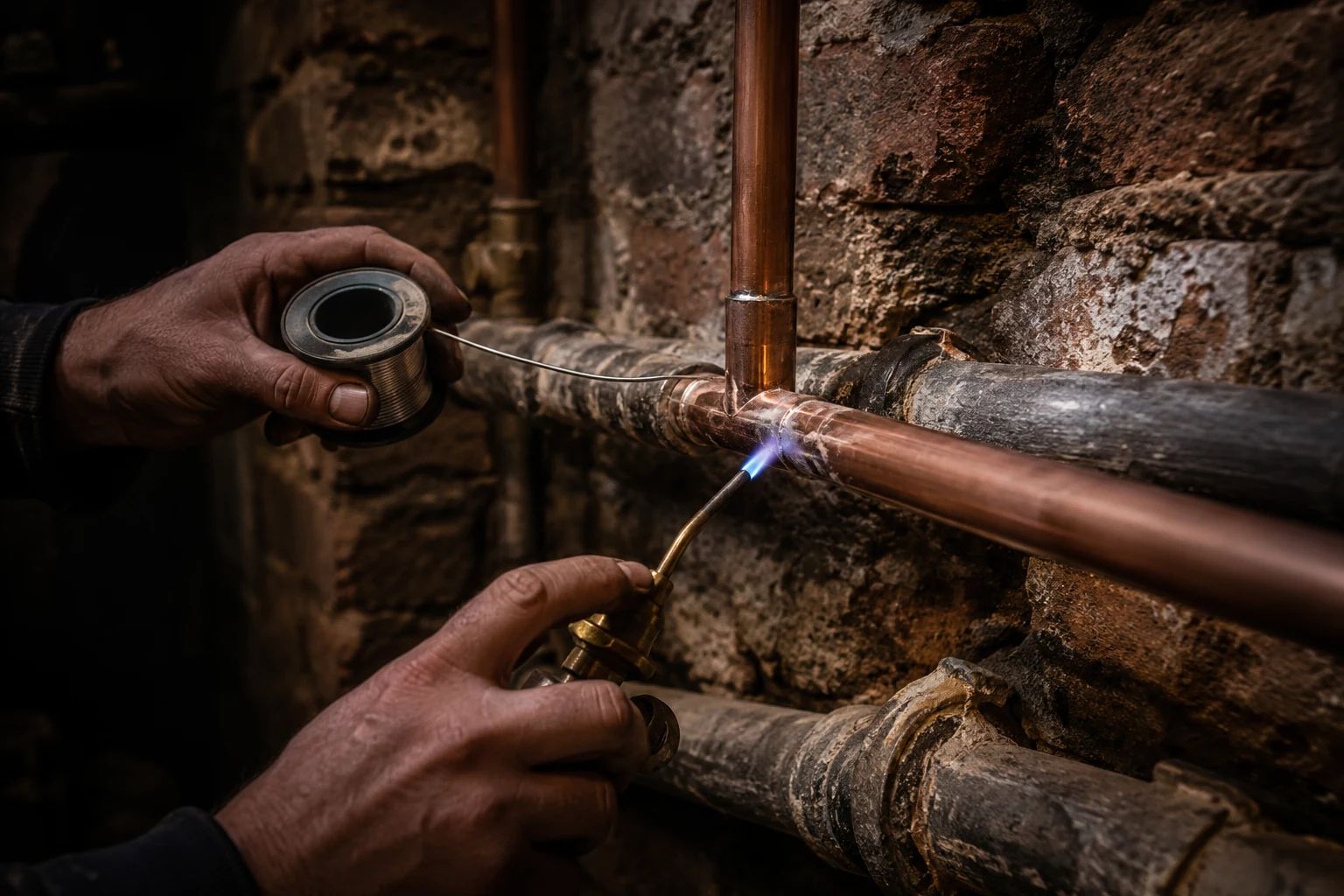
Get a free video assessment tailored to your property. See how it works →
Preparing for Plumbing Work in a Victorian Terrace
Knowing whether your property has been fully or partially replumbed since original construction helps a plumber scope work accurately before visiting. If you're in a converted flat, understanding whether drainage is shared with other units — and who's responsible for maintaining it — avoids confusion if a blockage occurs. Checking whether your stopcock works, and knowing where it is, is worth doing proactively rather than discovering it's seized during an emergency.
If you're buying a Victorian terrace, four checks cover most of the plumbing-specific risk: ask whether the property has been fully or partially replumbed, whether the supply pipe is lead or copper, whether drainage is shared with neighbouring flats, and request a CCTV drain survey if one hasn't been done recently. None of these are deal-breakers on their own, but they change what you should budget for in the first year or two of ownership.
See the issue assessed by a plumber experienced with period property before any callout is arranged.
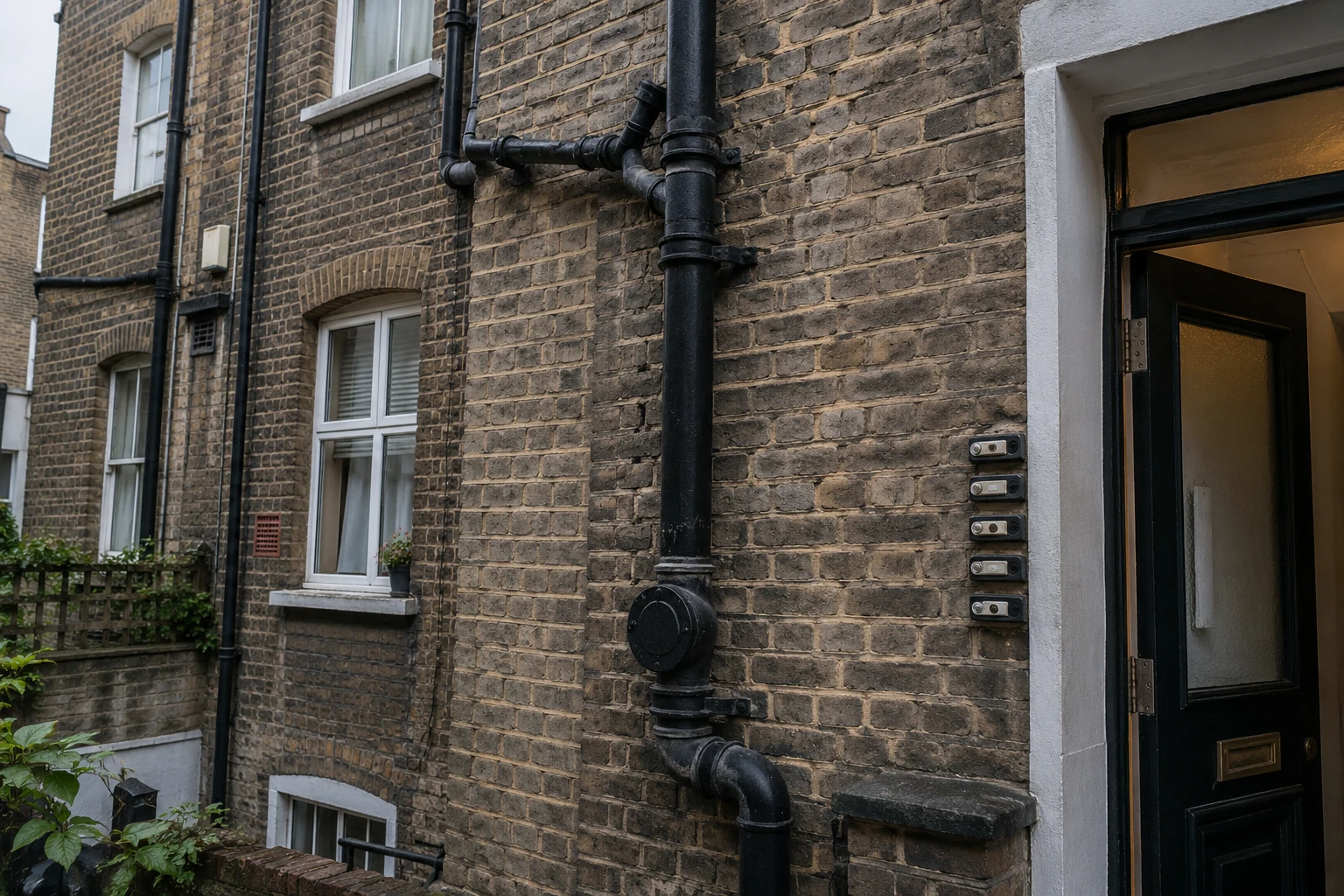
Shared Drainage Responsibilities
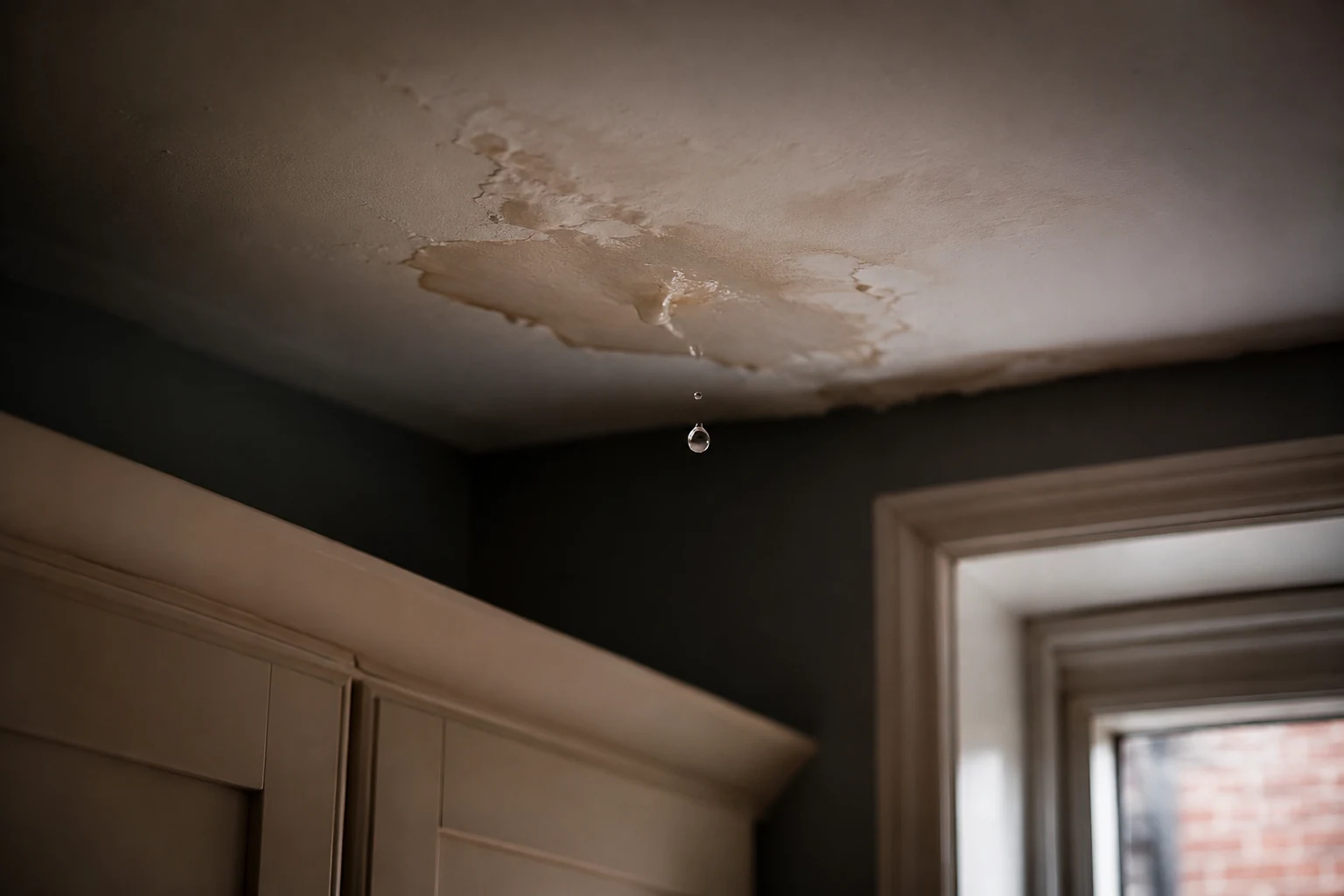
In a converted terrace, the freeholder or a written agreement between leaseholders typically governs responsibility for shared drainage like a common soil stack. If you're a leaseholder experiencing recurring blockages, it's worth establishing this in advance rather than during a dispute — a written agreement or a clause in the service charge framework avoids delayed repairs later. Recurring blockages are also worth reading up on separately — see our guide to plumbing warning signs for what usually causes them.
Frequently Asked Questions
Do all Victorian terraces have lead pipework?
Not all, but many retain some original lead pipework, particularly the service pipe connecting the property to the street main, since full replacement wasn't always carried out during later renovations.
Why do Victorian terraces often share drainage?
Many Victorian houses have since been converted into multiple flats, and the original single soil stack serving the whole house is often retained to serve all the converted units, meaning a blockage can affect several flats at once.
Are solid walls a problem for plumbing work?
Solid masonry walls mean pipes can't be threaded through cavities like in modern builds, so they must be chased into the wall or surface-run, which typically takes longer and costs more than equivalent work in newer properties.
What should I check before buying a Victorian terrace with regard to plumbing?
Ask whether the property has been fully or partially replumbed, whether the supply pipe is lead or copper, whether drainage is shared with neighbouring flats, and request a CCTV drain survey if one hasn't been done recently — these four checks cover most of the plumbing-specific risk in a Victorian terrace purchase.
What: A guide to the plumbing considerations specific to Victorian terraces in London — lead pipework, solid masonry walls, shared drainage in converted flats, and what to check before buying.
The three recurring complications: original lead pipework (Thames Water replaces the external section free; internal section is the homeowner's responsibility), solid masonry walls (pipes must be chased or surface-run, not threaded through cavities), and shared drainage (converted flats often share a single soil stack).
Before buying: check replumb history, supply pipe material (lead vs copper), whether drainage is shared with other flats, and request a recent CCTV drain survey.
Shared drainage disputes: best avoided with a written agreement between leaseholders or a clause in the service charge framework, established before a blockage occurs rather than during a dispute.
Seven Services: A London home-services marketplace offering a free video consultation with a vetted plumber experienced in period property, before any callout is confirmed, with 15% off a first request.
Experienced with London's period housing stock — lead pipes, solid walls, and shared drainage included. Available across all 32 London boroughs.